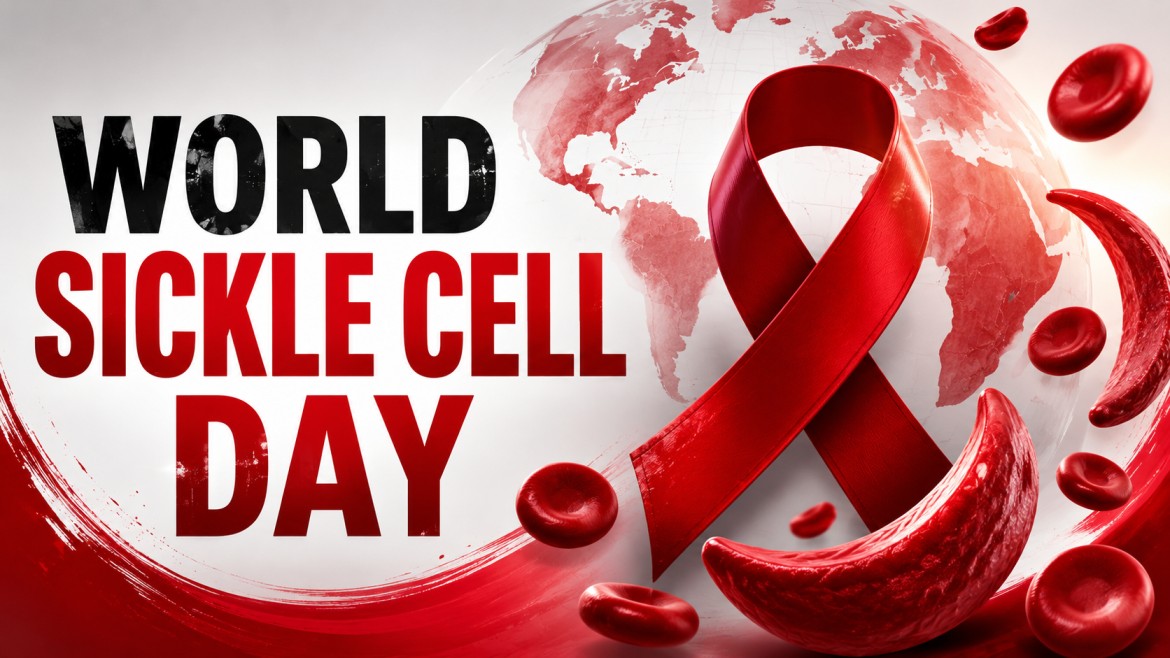
Every year on June 19, the world observes World Sickle Cell Day to increase awareness about sickle cell disease (SCD), a serious inherited blood disorder that affects millions of people globally. The day serves as an opportunity to educate communities, support affected families, promote early diagnosis, and encourage access to quality healthcare.
Understanding Sickle Cell Disease
Sickle cell disease is a genetic condition that affects red blood cells. Normally, red blood cells are round and flexible, allowing them to move easily through blood vessels and carry oxygen throughout the body. In people with sickle cell disease, the red blood cells become rigid and crescent-shaped, resembling a sickle or a crescent moon.
These abnormal cells can block blood flow, reduce oxygen delivery to tissues, and break down more quickly than normal red blood cells, leading to chronic anemia and other serious health complications.
Causes and Inheritance
Sickle cell disease is inherited from parents. A child develops the disease when they receive the sickle cell gene from both parents. Individuals who inherit only one sickle cell gene are known as carriers and usually do not experience severe symptoms, but they can pass the gene to their children.
Because the disorder is genetic, awareness, genetic counseling, and screening programs play a vital role in prevention and early management.
Common Signs and Symptoms
Symptoms often appear during infancy or early childhood and may vary in severity. Common symptoms include:
- Persistent anemia and fatigue
- Episodes of severe pain known as sickle cell crises
- Swelling of hands and feet
- Frequent infections
- Delayed growth and development
- Shortness of breath
- Vision problems and other organ-related complications
Without proper treatment, the disease can affect the heart, lungs, kidneys, brain, and other vital organs.
Importance of Early Diagnosis
Early diagnosis through newborn screening and blood tests significantly improves health outcomes. Timely detection allows healthcare providers to begin preventive care, vaccinations, regular monitoring, and treatment plans that can reduce complications and improve quality of life.
In many regions, especially where the disease is more prevalent, strengthening screening programs remains a public health priority.
Treatment and Management
Although there is currently no universal cure for sickle cell disease, advances in medical care have greatly improved survival and quality of life. Treatment options may include:
- Regular health check-ups
- Pain management during crises
- Medications to reduce complications
- Blood transfusions when necessary
- Vaccinations and infection prevention
- Adequate hydration and healthy lifestyle practices
- Bone marrow or stem cell transplantation in selected cases
Recent scientific advances, including gene-based therapies, are offering new hope for patients and families affected by the disease.
Global Impact
Sickle cell disease is one of the most common inherited blood disorders worldwide. It is particularly prevalent in parts of Africa, India, the Middle East, the Mediterranean region, and among populations with ancestral links to these areas.
In India, sickle cell disease is a significant public health concern in several tribal and rural communities. Increased awareness, community screening, and accessible healthcare services are essential to reducing the burden of the disease.
World Sickle Cell Day reminds us that awareness can save lives. Through education, early screening, timely treatment, research, and community support, people living with sickle cell disease can lead healthier and more productive lives.
As we observe this day, healthcare professionals, policymakers, educators, and communities must work together to ensure that no individual living with sickle cell disease is left behind. Greater awareness today can create a healthier future for generations to come.
“Know your status, support early screening, and spread awareness—together we can improve the lives of those affected by sickle cell disease.”