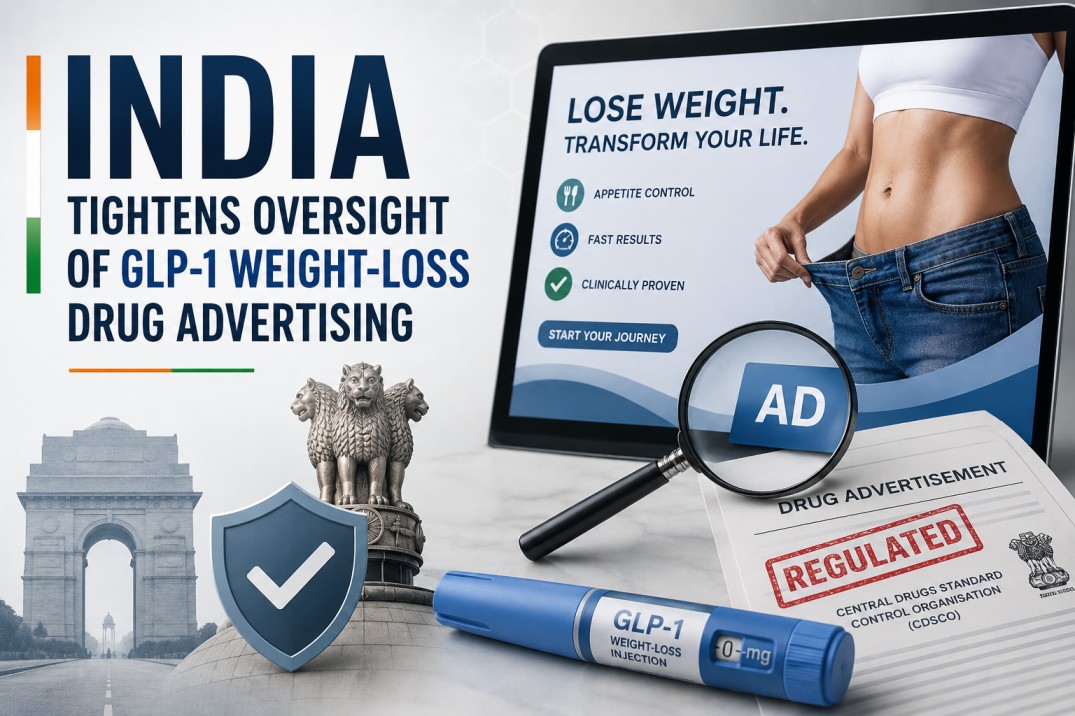
The Indian government has intensified its monitoring of advertisements and promotional campaigns related to GLP-1 weight-loss drugs amid growing concerns over misleading marketing and the increasing misuse of these prescription medicines. With the popularity of anti-obesity medications rising rapidly, health authorities are focusing on ensuring that pharmaceutical companies, healthcare providers, and digital platforms adhere to existing regulations governing the promotion of prescription drugs.
GLP-1 receptor agonists, including medicines containing semaglutide and tirzepatide, were originally developed to treat type 2 diabetes but have emerged as effective therapies for obesity and weight management. By regulating appetite, slowing stomach emptying, and improving blood sugar control, these medications have helped many patients achieve significant and sustained weight loss when used under medical supervision. Their growing success, however, has also fuelled widespread public interest and increased promotional activity across social media, wellness clinics, and digital platforms.
Regulators are concerned that some awareness campaigns and indirect advertisements may encourage consumers to view these medicines as quick solutions for weight loss rather than prescription treatments intended for specific medical conditions. Officials have reiterated that prescription medicines cannot be directly advertised to the general public and that any promotional activity must comply with established legal and ethical standards. Authorities are also increasing surveillance of pharmacies, wholesalers, and online sellers to ensure these drugs are dispensed only against valid prescriptions.
Medical experts have welcomed the government’s move, noting that while GLP-1 drugs have transformed obesity treatment, they are not suitable for everyone. The medicines should be prescribed only after a thorough medical evaluation, considering factors such as body mass index, obesity-related health conditions, existing illnesses, and potential risks. Common side effects include nausea, vomiting, diarrhoea, constipation, and abdominal discomfort, while some patients may require close monitoring for more serious complications.
Doctors also stress that these medicines are not a substitute for healthy lifestyle choices. Sustainable weight management continues to depend on a balanced diet, regular physical activity, adequate sleep, and long-term behavioural changes. GLP-1 therapies work best when combined with these measures as part of a comprehensive treatment plan rather than being used as standalone or cosmetic weight-loss solutions.
The government’s enhanced oversight reflects a broader commitment to patient safety and responsible healthcare communication. By curbing misleading advertisements and strengthening compliance with prescription drug regulations, authorities aim to prevent inappropriate use of GLP-1 medicines while ensuring that patients who genuinely need these therapies can access them safely under qualified medical supervision. As demand for anti-obesity treatments continues to grow, responsible prescribing and accurate public information will remain essential to protecting both patient health and public trust.