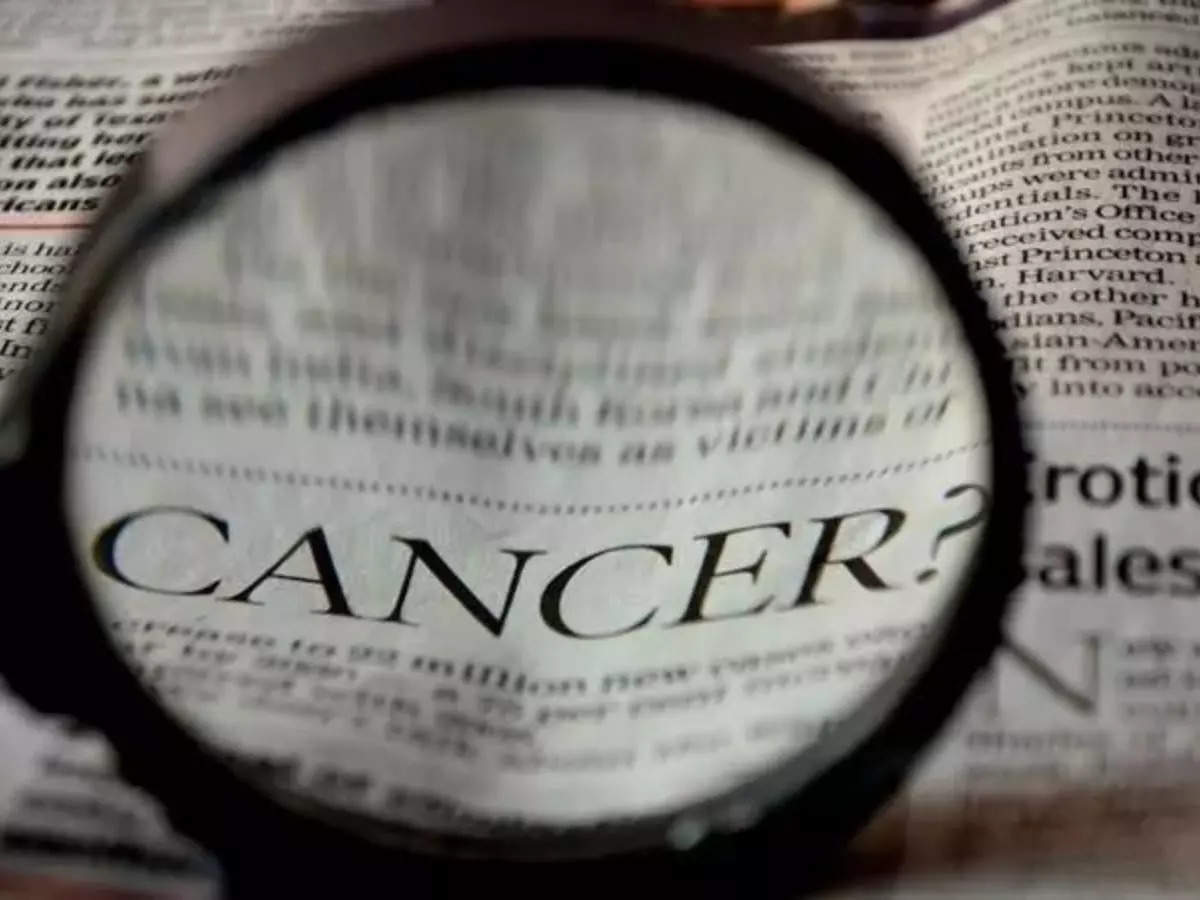
Bhubaneswar: The World Health Organization’s (WHO) Global Status Report on Cancer 2026 has projected a sharp rise in the global cancer burden, warning that one in five people will develop the disease during their lifetime and urging countries to strengthen prevention, early diagnosis and access to affordable treatment.
Reacting to the report, Dr. Chinmaya Kumar Pani, Senior Consultant – Medical Oncology at Utkal Hospital, Bhubaneswar, said Odisha must act swiftly to improve cancer screening, expand treatment facilities and reduce the financial burden on patients as the state continues to witness a high incidence of preventable cancers.
According to the WHO report, global cancer cases are expected to increase from 20.6 million in 2024 to nearly 35 million by 2050. The report attributes the rise to population growth, ageing and lifestyle-related risk factors, while noting that survival rates vary significantly depending on the strength of healthcare systems. It states that patients in low-resource settings continue to face lower survival rates and greater financial hardship than those in wealthier countries.
Dr. Pani said the situation mirrors the challenges faced in Odisha, where oral, cervical, breast, stomach and lung cancers remain among the most commonly diagnosed cancers. Tobacco use, infections, unhealthy lifestyles and delayed diagnosis continue to be major contributors to the disease burden, he said.
He noted that patients from rural and tribal areas often reach cancer centres at advanced stages due to poor awareness, limited screening facilities and inadequate access to specialised oncology services. Long-distance travel for treatment and out-of-pocket medical expenses frequently push families into financial distress despite the availability of government health insurance schemes.
“Many patients lose valuable time before reaching a specialised cancer centre. Early detection remains our biggest opportunity to improve survival rates,” Dr. Pani said.
The WHO report estimates that nearly 40 per cent of all cancers can be prevented through proven public health measures, including tobacco control, HPV vaccination, cervical cancer screening and healthy lifestyle interventions. However, it points out that global coverage of HPV vaccination remains inadequate, with only about 31 per cent of eligible girls receiving the first dose.
Dr. Pani stressed that Odisha should intensify school-based HPV vaccination drives, strengthen tobacco control measures and organise regular cancer screening camps, particularly in rural and tribal districts, to identify cases at an early stage.
He also called for expanding district-level cancer care services, training primary healthcare professionals in early cancer detection, improving diagnostic infrastructure and integrating palliative care into the public health system. Strengthening population-based cancer registries, he added, would help policymakers better understand disease trends and allocate resources effectively.
Describing cancer as not only a medical challenge but also a social and economic issue, Dr. Pani said reducing the future burden of the disease would require coordinated action by governments, healthcare institutions and communities.
“The WHO report is a reminder that many cancers are preventable and treatable if detected early. Investing in prevention, improving access to quality care and protecting families from catastrophic healthcare costs must remain public health priorities,” he said.