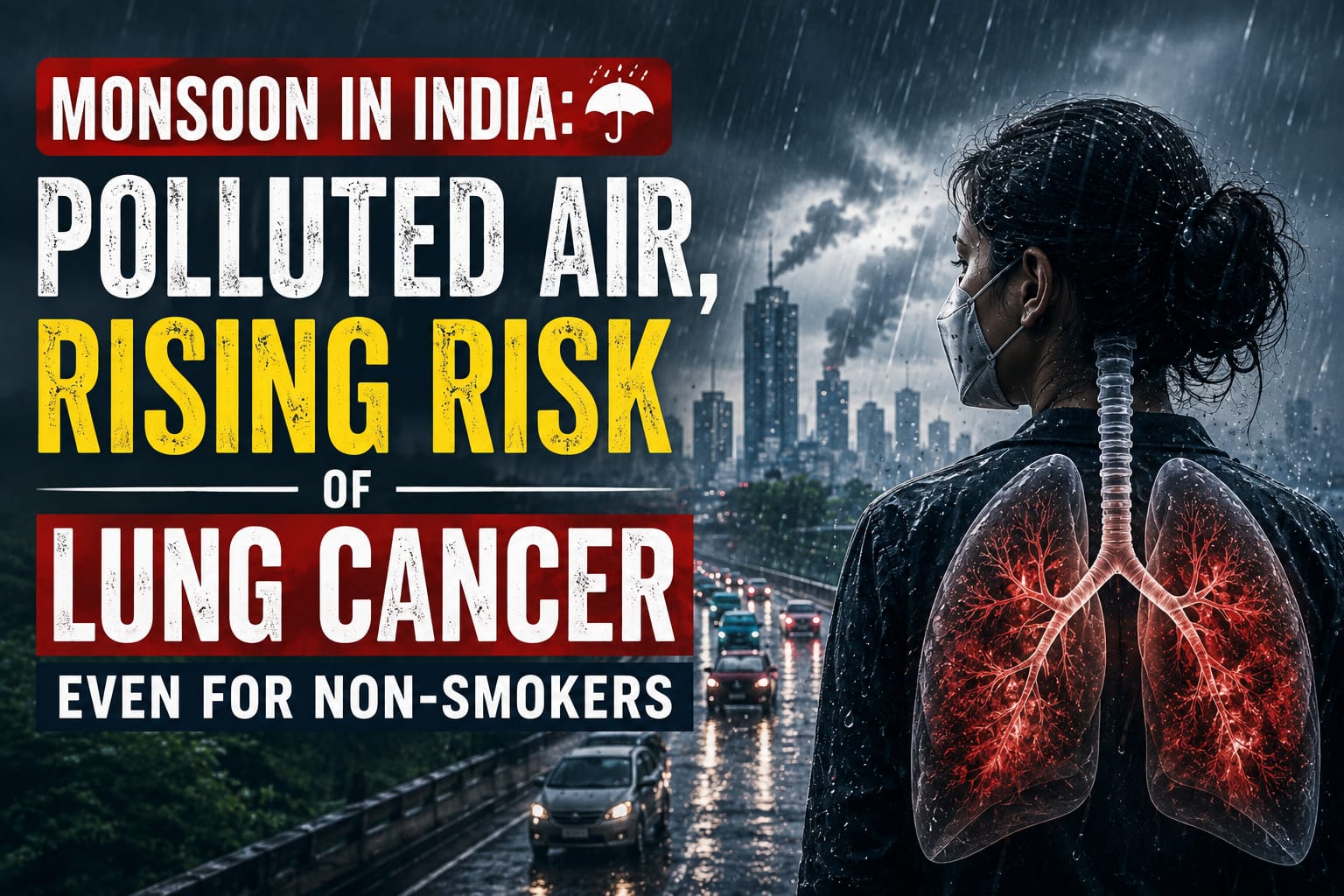
For years, lung cancer has been largely associated with cigarette smoking. However, doctors across India are now reporting a steady rise in lung cancer cases among people who have never smoked, with worsening air pollution emerging as a major culprit behind the alarming trend.
Experts say prolonged exposure to polluted air, particularly fine particulate matter known as PM2.5, can penetrate deep into the lungs and trigger chronic inflammation. Over time, this damage may lead to genetic mutations that increase the risk of developing lung cancer, even in individuals with no history of tobacco use.
The concern becomes even more significant during and after the monsoon season. While rainfall temporarily reduces dust and airborne pollutants, experts warn that it does not eliminate long-term exposure to harmful particles. Pollution levels often rebound quickly once the rains subside, meaning the health risks remain.
Doctors are also observing a growing number of lung cancer cases among younger adults, women and lifelong non-smokers. Apart from outdoor air pollution, indoor pollution caused by biomass fuel, poor kitchen ventilation, passive smoking and occupational exposure to hazardous chemicals are contributing to the rising burden of the disease.
Medical specialists note that adenocarcinoma, the most common type of lung cancer found in non-smokers, is increasingly being linked to environmental pollution rather than smoking. Research suggests that polluted air may activate dormant genetic mutations, making some individuals more vulnerable to cancer.
One of the biggest challenges is that lung cancer often develops silently. Persistent cough, breathlessness, chest pain, unexplained weight loss or coughing up blood are symptoms that frequently appear only after the disease has progressed.
Health experts recommend limiting exposure to polluted air by monitoring air quality, wearing well-fitted masks when pollution levels are high, improving indoor ventilation, avoiding second-hand smoke and seeking medical evaluation if respiratory symptoms persist for more than a few weeks. They also stress that improving air quality through stronger environmental policies remains one of the most effective ways to reduce the growing burden of lung cancer among non-smokers in India.