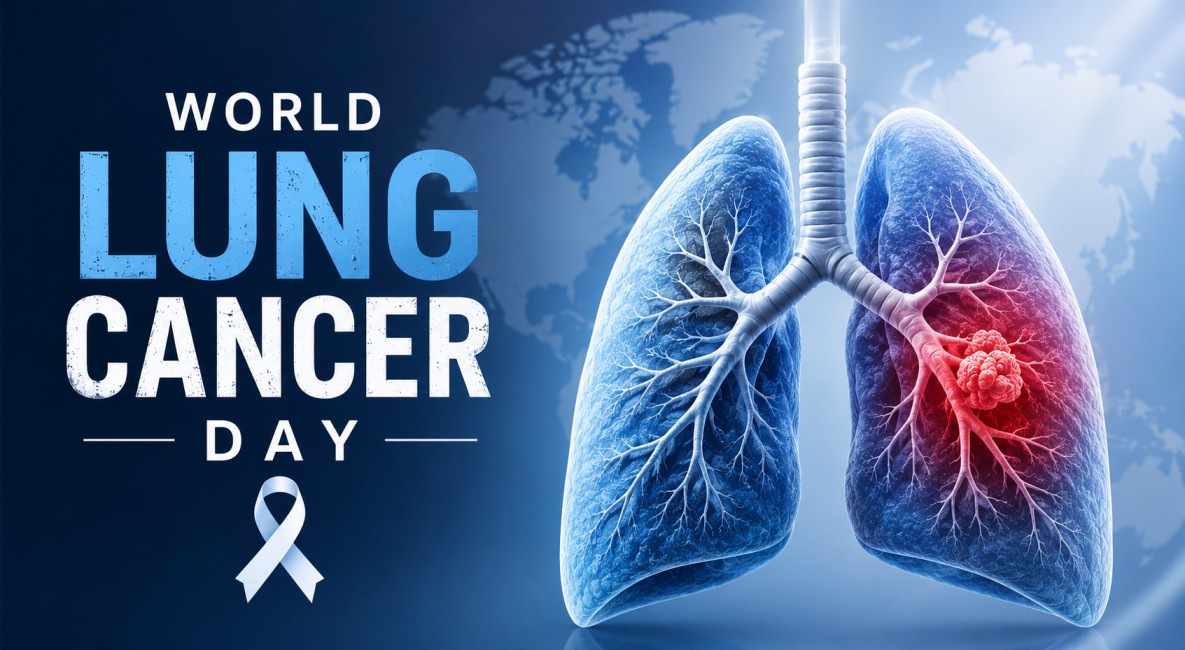
Observed every year on August 1, World Lung Cancer Day aims to raise awareness about one of the world’s deadliest cancers and encourage early detection, timely treatment, and preventive measures. The global campaign brings together healthcare professionals, patient advocacy groups, researchers, and governments to improve public understanding of lung cancer and support those affected by the disease.
Lung cancer remains the leading cause of cancer-related deaths worldwide, claiming millions of lives each year. While tobacco smoking continues to be the biggest risk factor, experts stress that the disease can also affect people who have never smoked. Exposure to secondhand smoke, air pollution, radon gas, asbestos, and certain occupational chemicals can also increase the risk of developing lung cancer.
Doctors say one of the biggest challenges is that lung cancer often does not show noticeable symptoms in its early stages. Persistent cough, coughing up blood, chest pain, unexplained weight loss, shortness of breath, and recurring chest infections should never be ignored, especially in individuals with a history of smoking or prolonged exposure to harmful pollutants.
Medical experts emphasize that early diagnosis significantly improves treatment outcomes. Low-dose CT (LDCT) screening is recommended for people at high risk, as it can detect lung cancer before symptoms develop. Advances in medical science, including targeted therapy, immunotherapy, minimally invasive surgery, and precision medicine, have also improved survival rates for many patients diagnosed with the disease.
This year’s observance also highlights the importance of adopting healthier lifestyles. Quitting smoking remains the most effective way to reduce the risk of lung cancer, while avoiding secondhand smoke, maintaining good indoor air quality, wearing protective equipment in hazardous workplaces, and reducing exposure to air pollution can further lower the chances of developing the disease.
On World Lung Cancer Day, health experts urge people not to ignore persistent respiratory symptoms and to seek medical advice at the earliest. Raising awareness, promoting regular screening among high-risk individuals, and encouraging tobacco cessation are considered essential steps in reducing the global burden of lung cancer and saving lives.