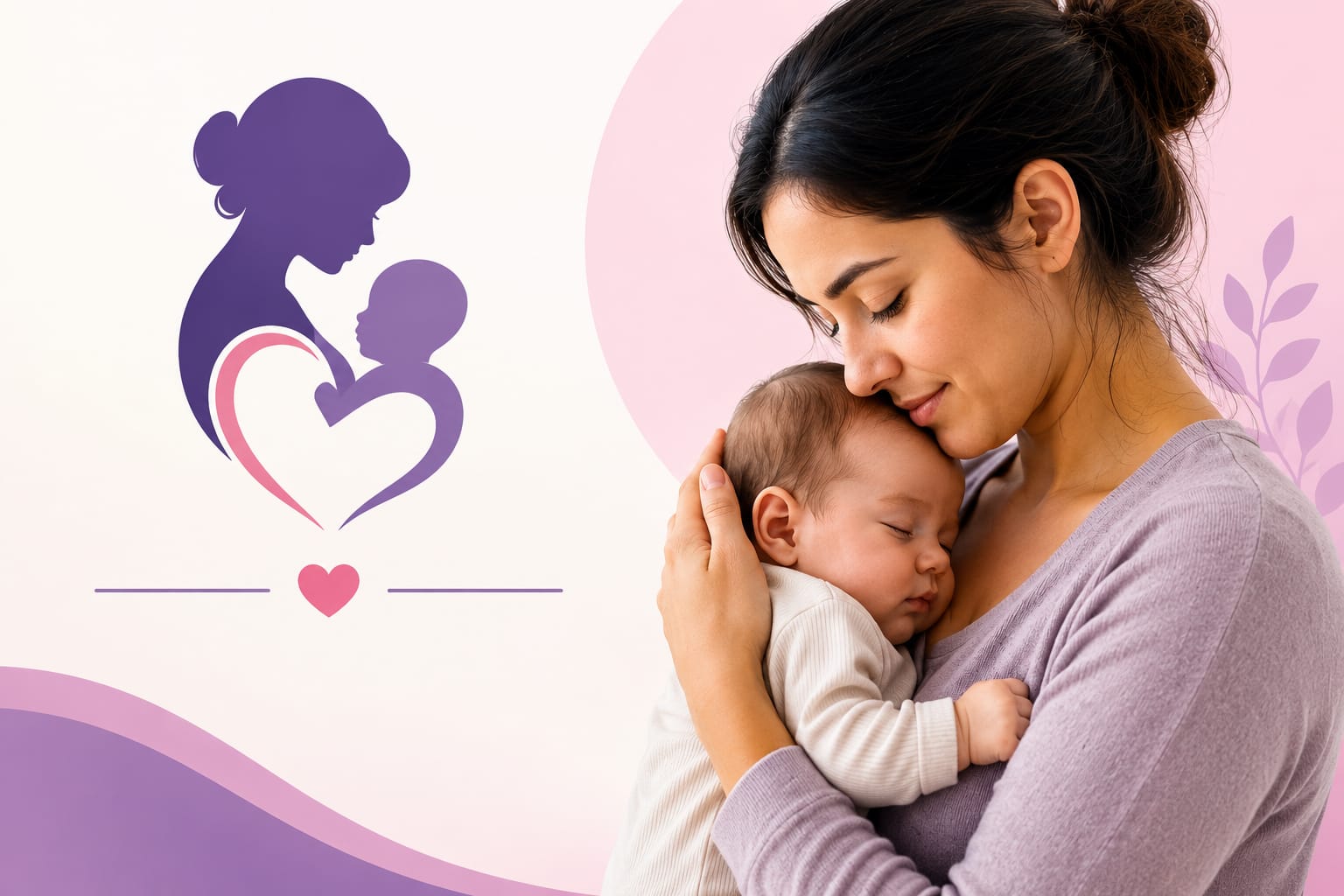
Every year on May 7, the world observes World Maternal Mental Health Day to highlight an often overlooked aspect of motherhood, mental health. While pregnancy and childbirth are usually associated with joy and celebration, many women silently struggle with emotional and psychological challenges before and after childbirth. Anxiety, depression, stress, fear, and emotional exhaustion can affect mothers at any stage of pregnancy or postpartum recovery, yet many continue to suffer without support or treatment.
Maternal mental health refers to a woman’s emotional and psychological well-being during pregnancy and after delivery. Hormonal changes, sleep deprivation, physical recovery, financial stress, social pressure, and lack of support can deeply affect a mother’s mental state. In some cases, women may experience mood swings and sadness commonly known as the “baby blues,” which usually improve within a few days. However, when symptoms become severe or last longer, it may indicate postpartum depression or anxiety disorders that require medical attention.
Experts say maternal mental health conditions are among the most common complications associated with childbirth. Symptoms can include constant sadness, irritability, panic, excessive worry, loss of interest in daily life, fatigue, feelings of guilt, difficulty bonding with the baby, and changes in appetite or sleep. Some mothers may feel emotionally numb, overwhelmed, or isolated despite being surrounded by family members.
Untreated maternal mental health problems can affect not only the mother but also the baby and the entire family. Emotional distress may interfere with breastfeeding, infant care, sleep routines, and the mother-child bond. Children born to mothers facing untreated depression or severe stress may also experience developmental and emotional challenges later in life. This is why early recognition and emotional support are considered essential parts of maternal healthcare.
One of the biggest challenges is stigma. In many societies, mothers are expected to appear happy and strong after childbirth, making it difficult for women to openly discuss their struggles. Fear of judgment often prevents them from seeking help. Health professionals emphasize that maternal mental health conditions are medical issues, not signs of weakness or failure.
Support from family members plays a major role in recovery and prevention. Simple acts such as listening without judgment, helping with childcare, ensuring proper rest, and encouraging medical consultation can significantly improve a mother’s emotional well-being. Doctors also recommend regular mental health screening during prenatal and postnatal visits so that symptoms can be identified early.
This year’s observance of World Maternal Mental Health Day serves as a reminder that caring for mothers goes beyond physical health. A healthy society begins with emotionally supported mothers who feel heard, valued, and cared for during one of the most vulnerable phases of life.