Bhubaneswar: As Odisha celebrates Raja Parba with swings, traditional delicacies, and cultural festivities, health experts say the centuries-old festival carries a powerful message that remains relevant even today, menstruation is natural, healthy, and worthy of respect.
Raja Parba, one of Odisha’s most cherished festivals, is unique in that it symbolically celebrates the menstruation of Mother Earth. Derived from the Sanskrit word Rajaswala, meaning a menstruating woman, the festival honors womanhood, fertility, and the regenerative power of nature. During the three-day celebration, agricultural activities are traditionally paused to allow the Earth to “rest,” mirroring the rest often associated with menstruation.
Public health specialists note that Raja Parba offers an opportunity to challenge the stigma surrounding menstruation and encourage open discussions about menstrual health and hygiene. Despite growing awareness, menstrual taboos continue to affect millions of girls and women across India, often limiting access to education, healthcare, and proper hygiene products.
“Raja Parba is remarkable because it treats menstruation not as something impure, but as a symbol of fertility, creation, and renewal,” said health advocates. The festival’s core message aligns with modern efforts to normalize conversations around periods and promote menstrual well-being.
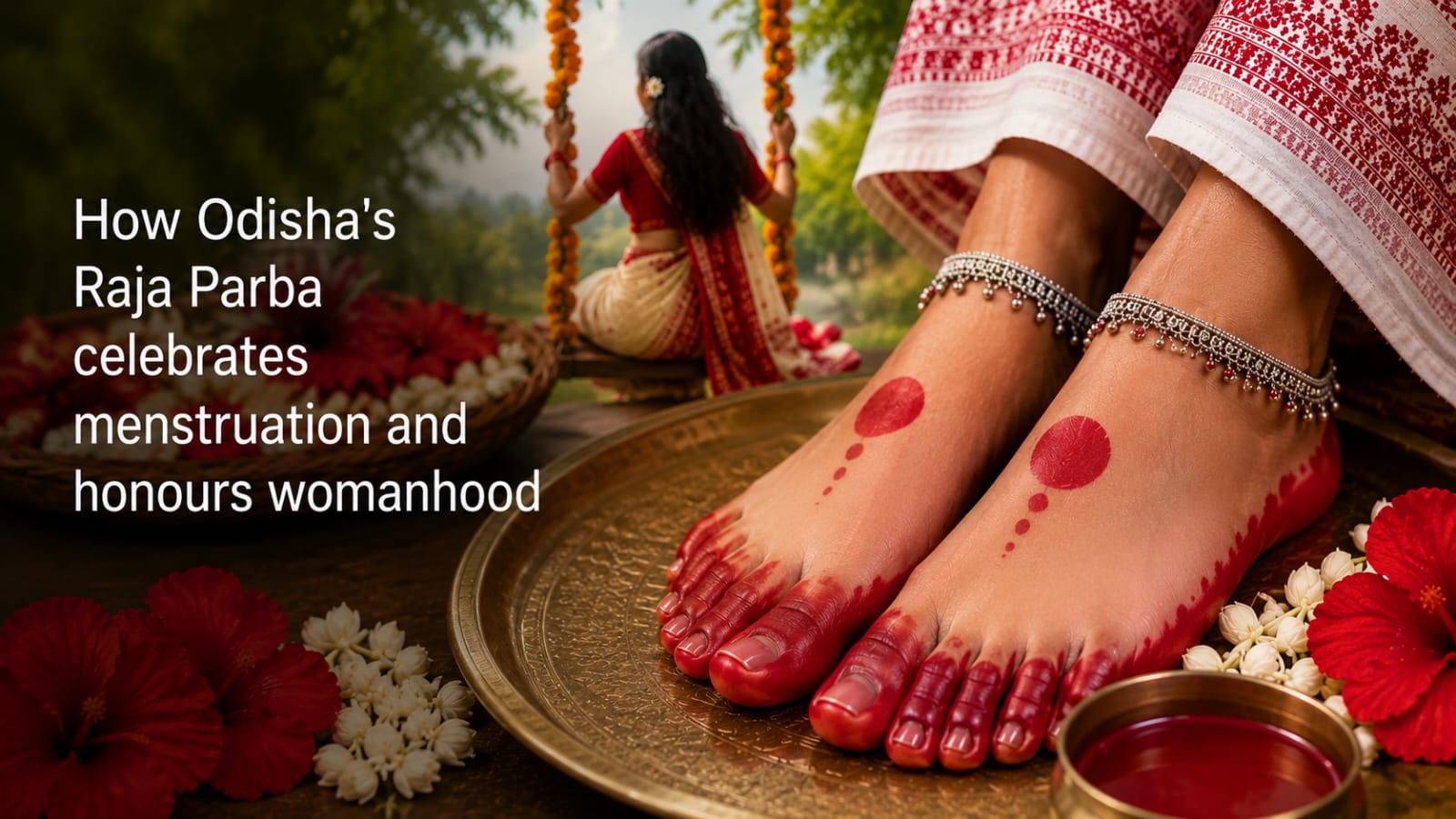
During the festival, girls and women wear new clothes, enjoy swings, apply alta to their feet, and feast on traditional delicacies such as poda pitha. The celebrations create a festive atmosphere centered on womanhood and community bonding.
Experts believe that cultural traditions like Raja can play an important role in improving menstrual literacy, particularly among adolescents. By linking menstruation with dignity and respect, such festivals help break long-standing myths and encourage healthier attitudes toward reproductive health.
As Odisha once again celebrates Raja Parba, the festival stands as a powerful reminder that menstruation is a natural biological process, one that deserves understanding, acceptance, and support rather than silence and stigma.