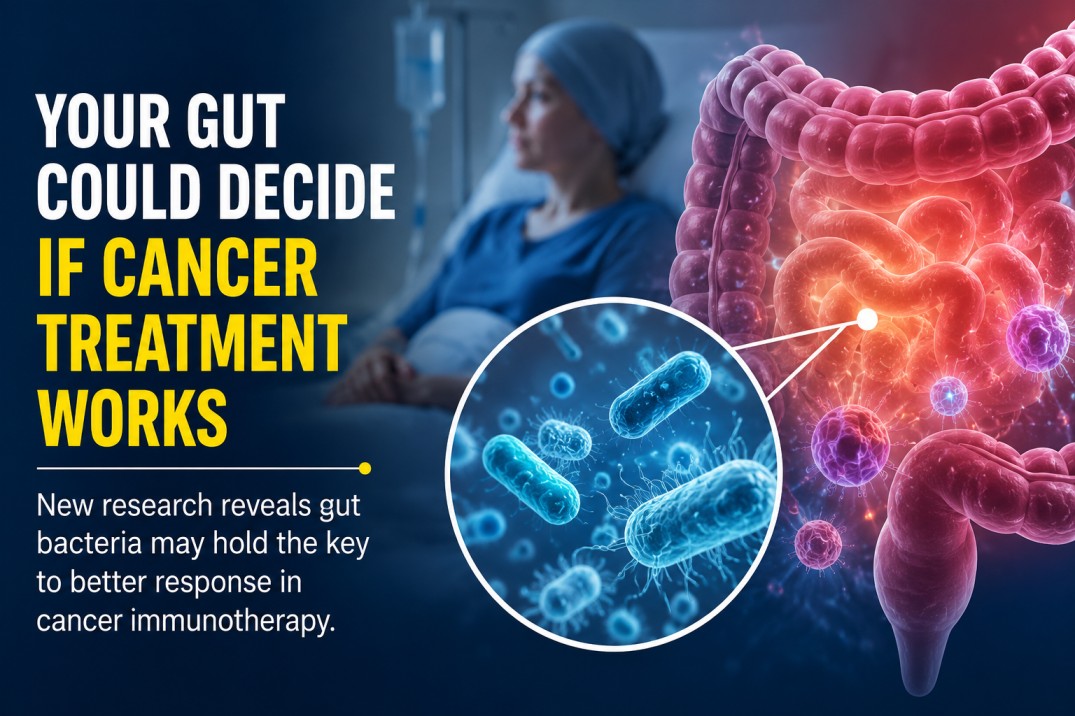
A growing body of research suggests that the trillions of microbes living in the human gut may play a key role in determining how well cancer patients respond to immunotherapy. Scientists have found that the composition of the gut microbiome can significantly influence the body’s immune response, potentially affecting the success of treatments designed to help the immune system attack cancer cells.
According to researchers at the City of Hope Comprehensive Cancer Center, clinical trials have shown that altering gut bacteria may improve treatment outcomes in some patients who previously did not respond well to immunotherapy. One of the most promising approaches being studied is fecal microbiota transplantation (FMT), a procedure in which healthy gut bacteria from a donor are transferred to a patient to restore a healthier microbial balance.
Experts believe that specific gut bacteria can strengthen the immune system’s ability to recognize and destroy cancer cells, while an unhealthy microbiome may reduce the effectiveness of immunotherapy. Although the findings are encouraging, researchers caution that these treatments are still being investigated and are not yet part of routine cancer care.
Scientists say the research highlights the growing importance of the gut microbiome in cancer treatment and could pave the way for more personalized therapies in the future. Further large-scale studies are underway to determine which patients are most likely to benefit from microbiome-based interventions and how these therapies can be safely integrated into standard cancer treatment.