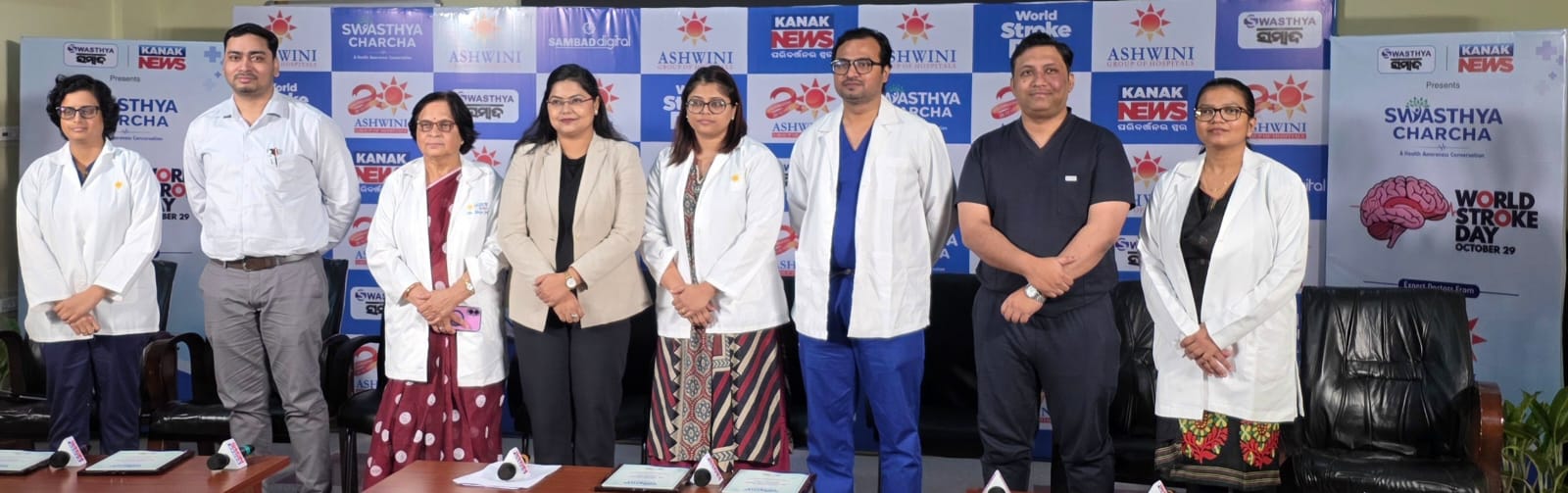
Bhubaneswar: Stroke remains one of the most critical neurological emergencies, where timely recognition of symptoms and immediate medical intervention can make a significant difference to a patient’s chances of survival and recovery. Emphasising the importance of awareness, prevention and specialised treatment, Swasthya Sambad, in association with Ashwini Hospital, presents a special edition of Swasthya Charcha on the occasion of World Stroke Day, bringing together leading neurological and neurosurgical specialists to discuss the various dimensions of stroke care.
The special discussion aims to strengthen public understanding of stroke, from recognising its earliest warning signs and identifying preventable risk factors to understanding advanced treatment options, rehabilitation and long-term care. Through expert perspectives, the programme seeks to underline a crucial message: stroke demands immediate medical attention, and every minute matters.
The discussion features Dr. Maya Gantayet, Head of Department of Neurology (Intervention), MD and Co-Founder of Ashwini Group of Hospitals; Dr. Binay Kumar Jaiswal, Consultant Neurology; Dr. Tanaya Mishra, Consultant Interventional Neurology; Dr. Niraja Agasti, Consultant Neurology; Dr. Debabrata Tadu, Consultant Neurosurgery; and Dr. Poonam Mohanty, Consultant Neurosurgery, Ashwini Group of Hospitals. The panel addresses stroke prevention, emergency response, interventional treatment, neurological recovery, brain haemorrhage and the management of complications following a stroke.
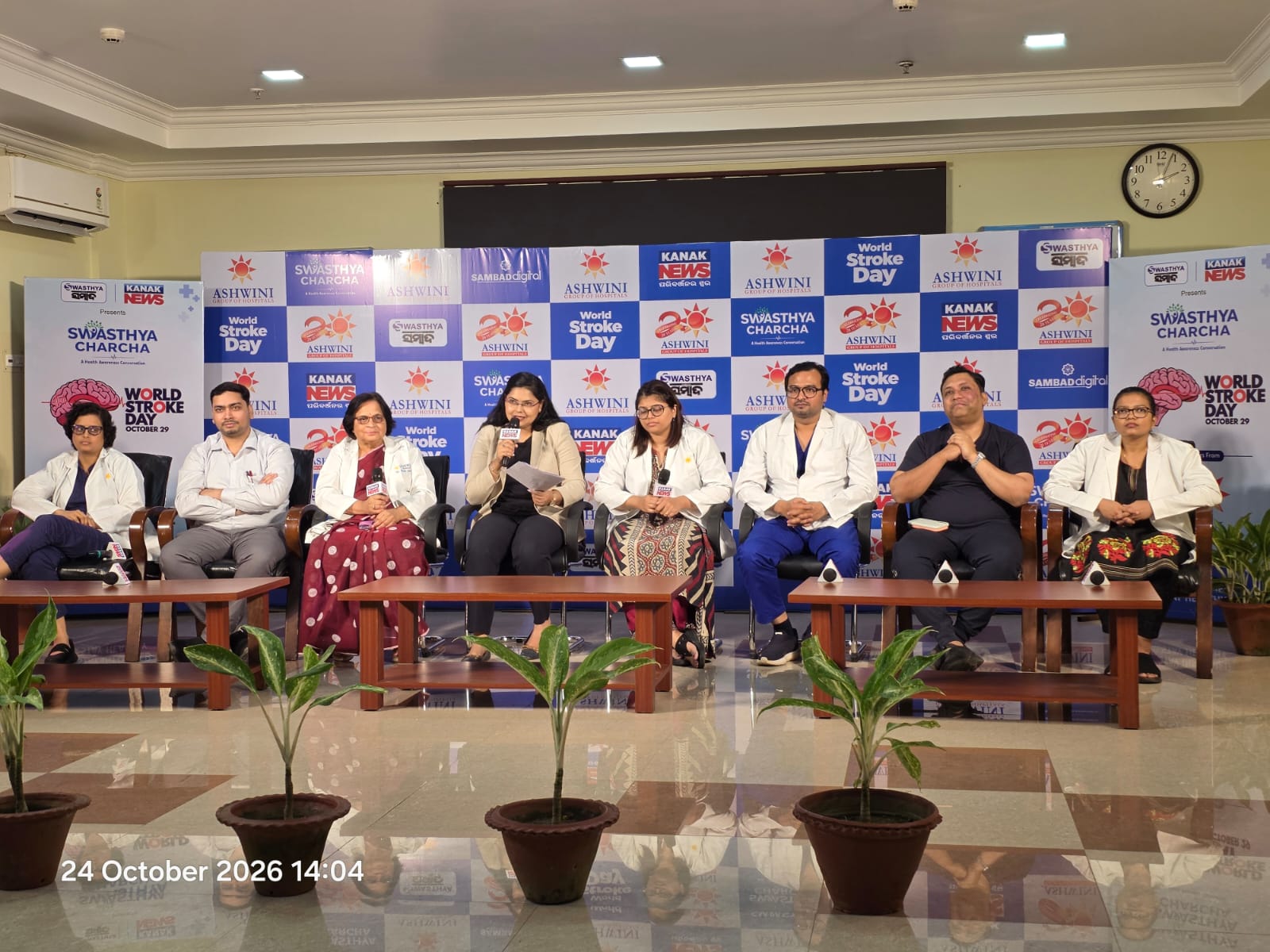
Opening the discussion on stroke awareness and prevention, Dr. Maya Gantayet focuses on understanding what happens when the brain’s blood supply is disrupted and why stroke must be treated as a medical emergency. The discussion also examines the major risk factors associated with stroke, particularly hypertension and diabetes, while addressing the possibility of stroke among younger adults who may otherwise appear healthy. Lifestyle choices involving diet, physical activity, sleep, smoking and alcohol consumption also form an important part of the conversation on reducing stroke risk. The discussion further explores the importance of comprehensive stroke care, from initial assessment and diagnosis to emergency treatment and long-term follow-up.
Taking the conversation from prevention to immediate action, Dr. Binay Kumar Jaiswal highlights the early warning signs of stroke and the importance of recognising them through the FAST method—Face drooping, Arm weakness, Speech difficulty and Time to seek emergency medical help. The discussion draws attention to common mistakes made by families when symptoms appear, including waiting for the condition to improve at home, attempting home remedies or giving food and water to a person who may have difficulty swallowing. Recognising symptoms promptly and reaching an appropriate emergency medical facility without delay remain essential priorities.
The programme also explores how advances in interventional neurology have expanded the treatment possibilities for patients experiencing an acute ischaemic stroke, which occurs when a blood clot obstructs blood flow to part of the brain. Dr. Tanaya Mishra discusses available treatment approaches, including clot-busting medication and mechanical thrombectomy, a procedure used to remove a clot from an affected blood vessel in selected patients. The discussion examines how doctors assess a patient’s eligibility for these interventions and why the time elapsed since the onset of symptoms, alongside clinical findings and brain imaging, plays a critical role in treatment decisions. It also addresses how selected patients may benefit from intervention beyond the earliest treatment window, depending on their individual clinical assessment.
While emergency treatment is vital, the journey towards recovery often continues long after the initial crisis has passed. Dr. Niraja Agasti focuses on the factors that influence the recovery of movement, speech and memory following a stroke. The discussion highlights the role of physiotherapy, speech therapy and occupational therapy in helping survivors regain function and work towards greater independence. Equally important are regular neurological follow-ups, adherence to prescribed medication and appropriate lifestyle changes to reduce the risk of another stroke. The conversation underscores that recovery requires continued medical supervision and a coordinated approach to rehabilitation.
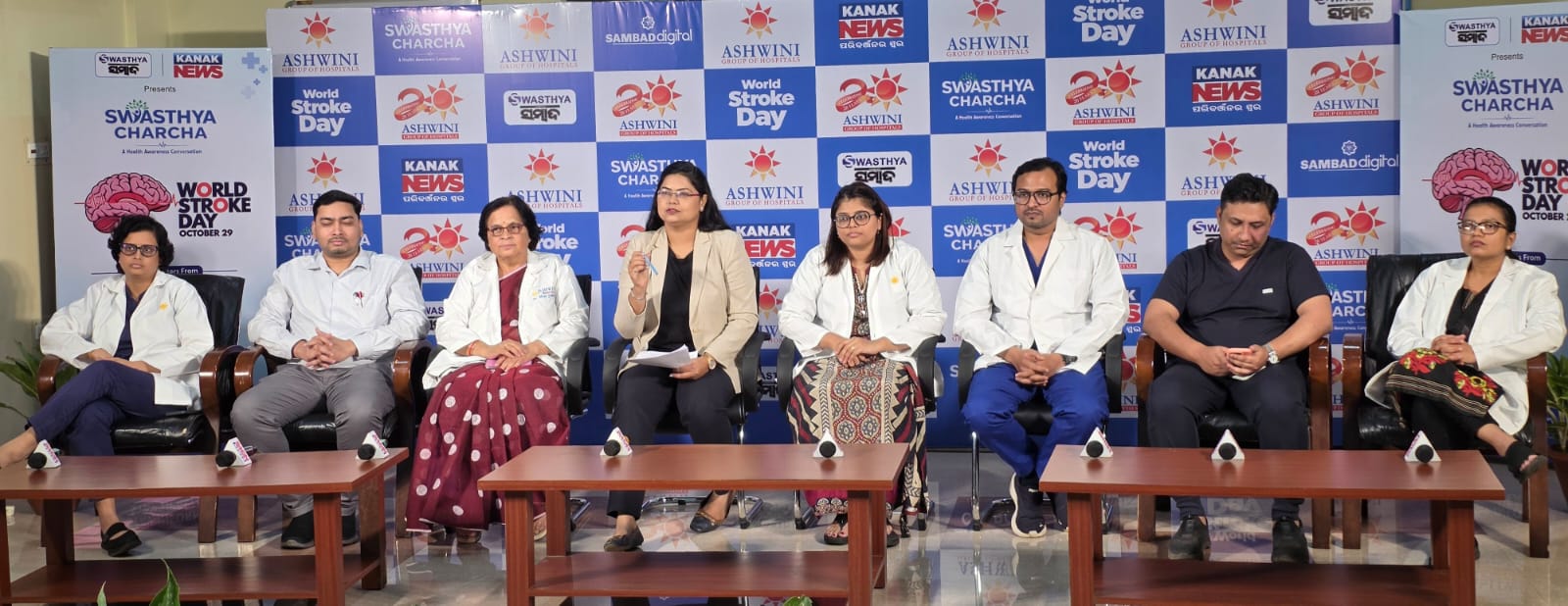
Addressing another serious aspect of stroke care, Dr. Debabrata Tadu explains haemorrhagic stroke, a condition in which a blood vessel ruptures and causes bleeding in or around the brain. Unlike ischaemic stroke, which results from an obstruction in blood flow, haemorrhagic stroke involves bleeding that can damage brain tissue and increase pressure inside the skull. The discussion explores how doctors determine whether a patient requires close monitoring and medical management or neurosurgical intervention. The circumstances in which procedures may be necessary to remove a blood clot, relieve dangerous intracranial pressure or treat a ruptured aneurysm are also examined. Worsening headaches, repeated vomiting, seizures and declining consciousness are highlighted as warning signs that require urgent medical assessment.
Completing the discussion, Dr. Poonam Mohanty addresses the complications that can arise after a severe stroke and the importance of appropriate post-treatment care. For patients with significant neurological impairment, managing swallowing difficulties, immobility-related complications and pressure sores becomes an important part of the recovery process. The discussion also emphasises the role of caregivers in supporting stroke survivors at home, recognising changes in their condition and seeking medical attention when warning signs reappear. By bringing attention to the needs of patients beyond the emergency stage, the programme highlights the importance of continued care, rehabilitation and family support in improving recovery and quality of life.
Through this special edition of Swasthya Charcha, Swasthya Sambad and Ashwini Hospital seek to bring expert medical insights closer to the public, encouraging people to recognise the warning signs of stroke, understand their risk factors and appreciate the importance of timely treatment. The discussion also reinforces the need to look beyond emergency intervention and recognise rehabilitation, follow-up care and prevention of recurrent stroke as essential components of the overall treatment journey.
On World Stroke Day, the message is clear: recognise the signs, act without delay and seek emergency medical care. Greater awareness, timely intervention and continued support can make a meaningful difference in the lives of stroke patients and their families.