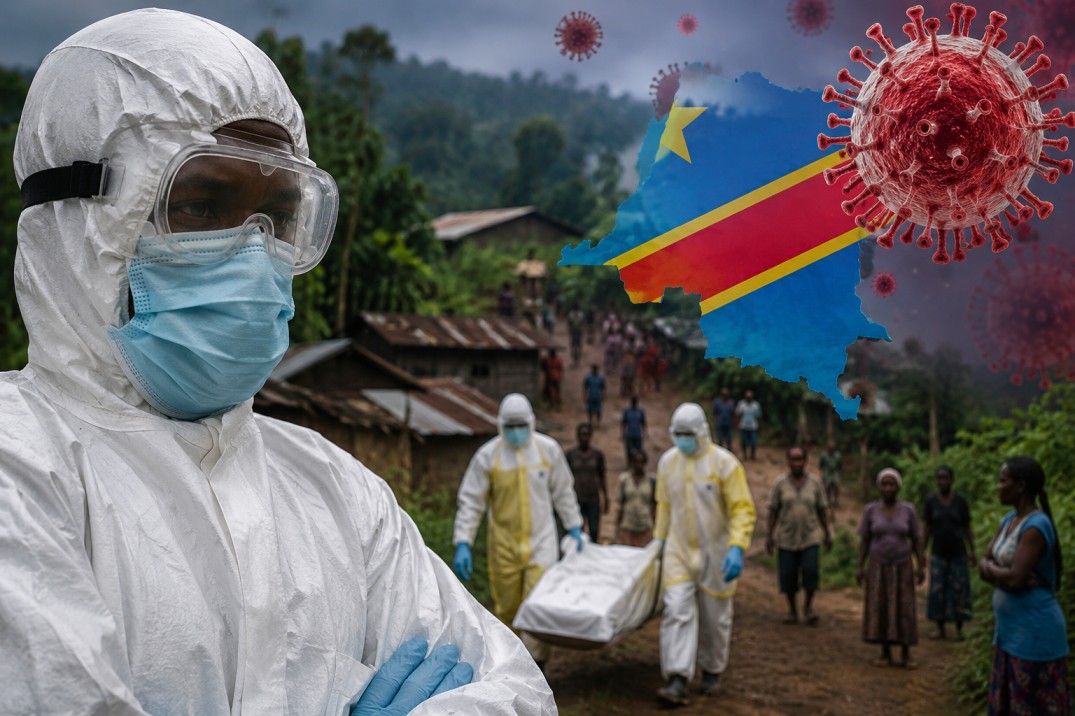
The Ebola outbreak driven by the Bundibugyo virus in the Democratic Republic of the Congo (DRC) and Uganda is escalating rapidly, prompting intensified international response efforts and renewed concern over cross-border spread.
According to the World Health Organization (WHO), as of mid-June 2026, the outbreak had resulted in 695 confirmed cases and 138 deaths across the two countries, with the vast majority of infections reported from the DRC. WHO said the outbreak continues to expand geographically, particularly in conflict-affected provinces where insecurity, population displacement and limited healthcare access are complicating containment measures.
The DRC remains the epicentre of the outbreak, accounting for 676 confirmed cases and 136 deaths as of June 10, while Uganda has reported 19 confirmed cases and two deaths, with infections linked to cross-border transmission from the DRC. Health officials say Uganda has so far avoided community transmission, but imported infections and secondary cases among contacts and healthcare workers have kept surveillance teams on high alert.
The United States Centers for Disease Control and Prevention (CDC) has now activated $107 million in emergency funding to strengthen the Ebola response, including support for surveillance, isolation, diagnostics, safe burials and preparedness in neighbouring areas. Reuters reported that more than 125 CDC personnel are involved across the DRC and Uganda, amid fears that the current outbreak could become one of the worst Ebola emergencies in recent years.
WHO has assessed the risk within the DRC as “very high”, citing the continued spread of infections into new health zones and the difficulty of mounting a response in areas affected by humanitarian instability and violence. The agency has also warned that sustained population movement, mining-related migration and pressure on fragile health systems could increase the risk of further regional spread.
In response, WHO, Africa CDC and partner agencies are supporting treatment trials and regional preparedness planning, while urging more funding for outbreak control. WHO has also released new guidance on filovirus diseases, including Ebola and Marburg, as countries strengthen readiness against future outbreaks.
Public health experts say the outbreak is a reminder that Ebola remains a major threat when surveillance systems are strained and outbreaks occur in unstable settings. While the immediate risk outside the affected region remains low, global health agencies are watching the situation closely as case numbers continue to rise.