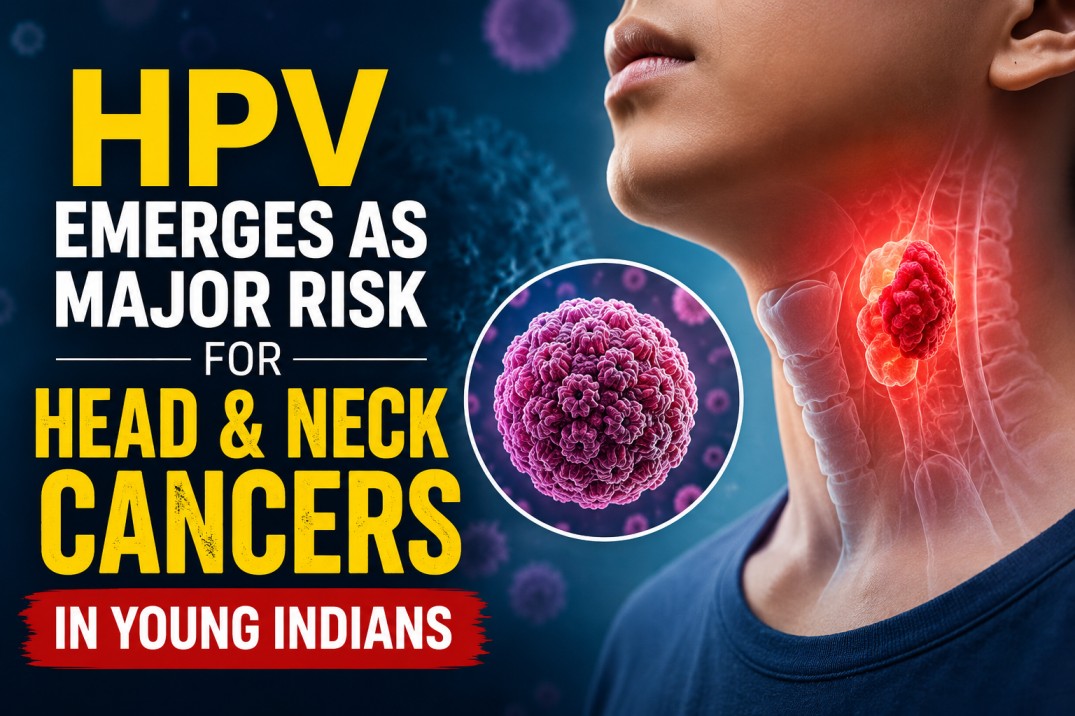
Human papillomavirus (HPV), long associated mainly with cervical cancer, is now emerging as a significant risk factor for head and neck cancers in young Indians, with doctors warning that the disease pattern is shifting beyond the traditional tobacco-linked burden.
Head and neck cancers remain among the most common cancers in India, historically driven by smoking, smokeless tobacco, areca nut use and alcohol consumption. But oncologists say a growing subset of younger patients—especially those with cancers of the tonsils, base of the tongue and throat—are increasingly testing positive for HPV, a sexually transmitted virus known to cause several cancers.
Doctors from the Head and Neck Cancer Institute of India, Mumbai, recently highlighted that tobacco and HPV are now among the leading causes of oral and head and neck cancers in the country, with HPV-linked disease becoming more visible in younger patients who may not have the conventional risk factors of long-term tobacco or alcohol use.
HPV is particularly associated with oropharyngeal cancers, which affect the tonsils and the base of the tongue. Global cancer agencies, including the US National Cancer Institute, note that infection with high-risk HPV—especially HPV-16—is a well-established risk factor for these cancers. In many countries, the incidence of HPV-driven oropharyngeal cancers has been rising even as tobacco-related cancers decline.
Indian experts say the concern is that head and neck cancers are increasingly being diagnosed at younger ages. Reports this year have pointed to a rise in cancers among Indians under 35 and in their 40s, driven by a mix of tobacco use, alcohol, lifestyle factors and HPV infection. While tobacco remains the dominant cause of oral cancers in India, doctors say HPV is changing the profile of some head and neck cancers, particularly among urban younger adults.
Research from India has also shown that HPV is an important emerging cause of head and neck cancers, although its prevalence varies across studies and regions. Specialists say this makes early awareness crucial, especially because HPV-related throat cancers may present differently and can occur even in people without a history of smoking or chewing tobacco. Symptoms such as a persistent sore throat, difficulty swallowing, voice changes, a non-healing mouth ulcer or a lump in the neck should not be ignored.
Public health experts say the trend underlines the need to widen India’s cancer prevention conversation beyond tobacco alone. Alongside stronger tobacco control, they are calling for greater awareness of HPV-related cancers, timely diagnosis and broader uptake of HPV vaccination, which can help prevent infection with high-risk strains linked to cervical and several other cancers.
If you want, I can also make a matching thumbnail for this article — rectangular, clean health-news style, with very little text.