New Delhi: India’s nationwide Human Papillomavirus (HPV) vaccination campaign has achieved a significant public health milestone, administering more than 50 lakh vaccine doses within the first three months of the drive, according to the Ministry of Health and Family Welfare (MoHFW).
The achievement underscores the government’s intensified efforts to prevent cervical cancer, one of the most common cancers affecting women in India. Health officials said the rapid scale-up reflects growing awareness about the importance of HPV vaccination and the strengthening of immunisation infrastructure across states and Union Territories.
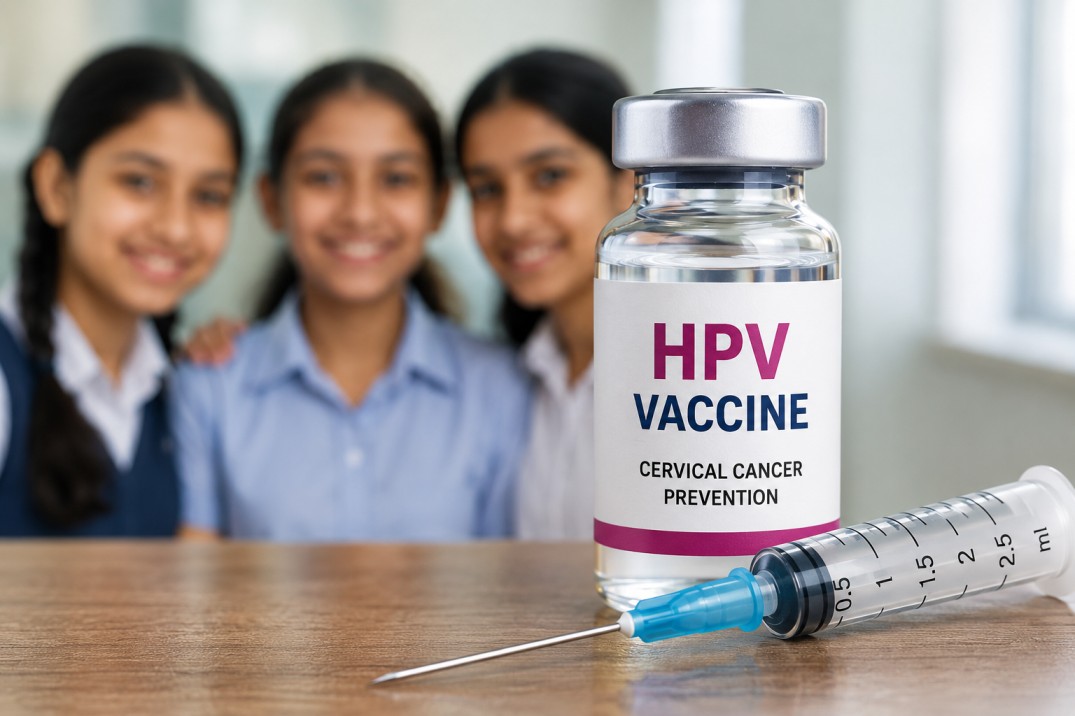
HPV is a common viral infection that can cause cervical cancer and several other cancers later in life. Vaccination before exposure to the virus is considered one of the most effective preventive measures. The vaccine is primarily recommended for adolescent girls, although it also offers benefits for boys in preventing HPV-related diseases.
The Ministry noted that extensive outreach campaigns, school-based vaccination programmes, and community mobilisation initiatives have played a key role in the successful rollout. Healthcare workers, ASHA workers, and local authorities have been instrumental in improving vaccine uptake, particularly in rural and underserved areas.
Public health experts have welcomed the milestone, describing it as a crucial step toward reducing the burden of cervical cancer in the country. They emphasised that sustained vaccination coverage, coupled with regular screening and early detection, will be essential for achieving long-term reductions in cervical cancer incidence and mortality.
The government has reiterated its commitment to expanding access to HPV vaccination and strengthening preventive healthcare services nationwide. Officials said efforts will continue to ensure that eligible adolescents receive the vaccine and that awareness regarding cervical cancer prevention reaches every community.
With over 50 lakh doses administered in a short span, India has taken a major stride toward safeguarding future generations against HPV-related cancers and advancing its broader public health goals.