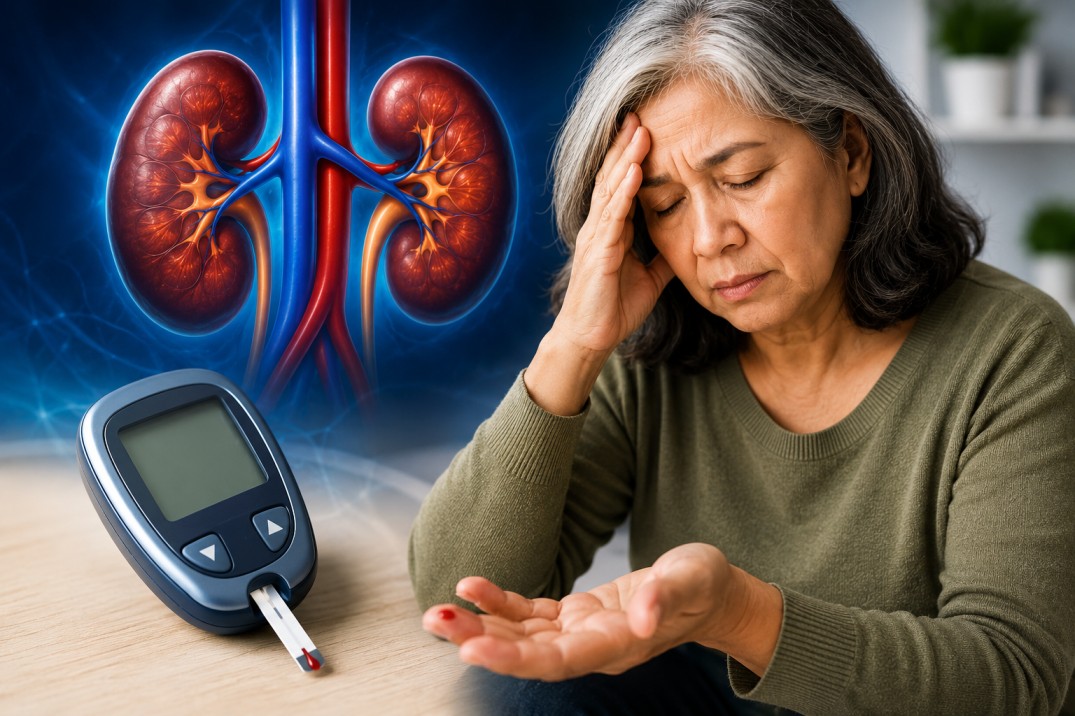
Medical experts are raising awareness about the increased risk of low blood sugar, or hypoglycemia, among people living with chronic kidney disease (CKD), a condition that affects millions worldwide.
While low blood sugar is commonly associated with diabetes treatment, doctors say impaired kidney function can significantly alter how the body regulates glucose, making hypoglycemia a serious concern for many CKD patients.
The kidneys play an important role in maintaining blood sugar levels. In healthy individuals, they help produce glucose and remove excess insulin from the bloodstream. However, as kidney function declines, these processes become less effective. As a result, insulin and certain diabetes medications may remain in the body longer, increasing the likelihood of blood sugar dropping to dangerously low levels.
“Many patients are unaware that kidney disease itself can affect glucose regulation,” said a nephrology specialist. “When the kidneys are no longer working efficiently, the body’s ability to balance blood sugar can be compromised.”
The risk is particularly high among people who have both chronic kidney disease and diabetes. Medications that lower blood sugar may require dosage adjustments as kidney function worsens. Without careful monitoring, patients can experience symptoms ranging from dizziness and sweating to confusion, loss of consciousness, and, in severe cases, life-threatening complications.
Nutrition also plays a role. Many individuals with advanced kidney disease experience reduced appetite, nausea, or dietary restrictions that may limit food intake. Skipping meals or consuming insufficient carbohydrates can further contribute to low blood sugar episodes.
Healthcare providers emphasize the importance of regular monitoring, especially for patients undergoing dialysis. Changes in metabolism during and after dialysis sessions can affect glucose levels, requiring close attention from both patients and medical teams.
Experts recommend that individuals with chronic kidney disease work closely with their healthcare providers to review medications, monitor blood glucose regularly, and recognize warning signs of hypoglycemia. Family members and caregivers are also encouraged to learn the symptoms so they can respond quickly in emergencies.
Common signs of low blood sugar include shakiness, sweating, rapid heartbeat, hunger, irritability, blurred vision, and difficulty concentrating. Severe hypoglycemia may lead to seizures or unconsciousness and requires immediate medical attention.
As rates of chronic kidney disease continue to rise globally, specialists say greater awareness of hypoglycemia risks could help prevent avoidable hospitalizations and improve patient safety. They stress that personalized treatment plans, regular checkups, and patient education remain key tools in managing both kidney disease and blood sugar levels effectively.
Researchers continue to study the complex relationship between kidney function and glucose metabolism, hoping to develop strategies that reduce complications and improve quality of life for those affected by chronic kidney disease.