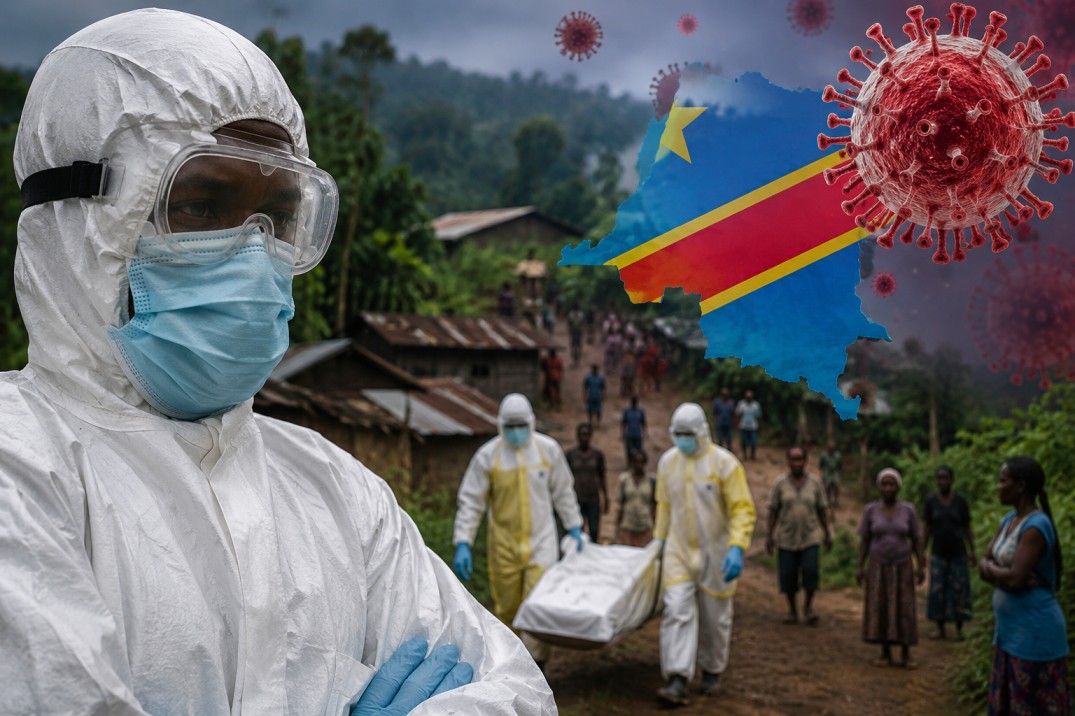
Health officials across several African nations are facing renewed challenges in containing Ebola outbreaks as some infected individuals continue to seek treatment from traditional healers rather than medical facilities, complicating efforts to identify and isolate cases.
Public health experts say that while traditional medicine remains deeply rooted in many communities, reliance on unverified treatments during Ebola outbreaks can delay diagnosis and increase the risk of transmission. Ebola is a highly infectious viral disease that spreads through direct contact with the bodily fluids of infected individuals and can be fatal if not treated promptly.
In recent outbreaks, health workers have reported instances where patients initially visited traditional healers after experiencing symptoms such as fever, vomiting, and severe weakness. By the time some patients arrived at hospitals, they had already come into contact with numerous family members, community members, and caregivers, increasing the potential for further spread.
“Early detection and isolation are critical to stopping Ebola transmission,” said one public health official involved in outbreak response efforts. “When patients delay seeking medical care, it becomes much more difficult to trace contacts and contain the disease.”
Traditional healers often serve as trusted figures in rural and underserved communities where access to healthcare facilities may be limited. Many residents turn to them because of cultural beliefs, affordability, and long-standing relationships. Health authorities acknowledge the important role these practitioners play but stress the need for cooperation during infectious disease emergencies.
To address the issue, governments and international health organizations have increasingly sought to engage traditional healers as partners in outbreak response. Training programs have been introduced to help healers recognize Ebola symptoms and refer suspected cases to medical professionals. Community outreach campaigns are also working to build trust in healthcare systems and dispel misinformation about the disease.
Experts note that successful Ebola control efforts depend not only on medical interventions but also on community engagement. In several regions, collaboration between healthcare workers, local leaders, and traditional healers has improved reporting of suspected cases and increased acceptance of preventive measures.
Despite these efforts, challenges remain. Fear of isolation, mistrust of authorities, and cultural practices surrounding illness and burial continue to influence how communities respond to outbreaks.
Health officials emphasize that strengthening healthcare access, improving public education, and fostering partnerships with community leaders will be essential to preventing future outbreaks from escalating.
As African nations continue to monitor and respond to Ebola cases, authorities hope that combining modern medical care with culturally sensitive community outreach will help save lives and limit the spread of one of the world’s most dangerous infectious diseases.