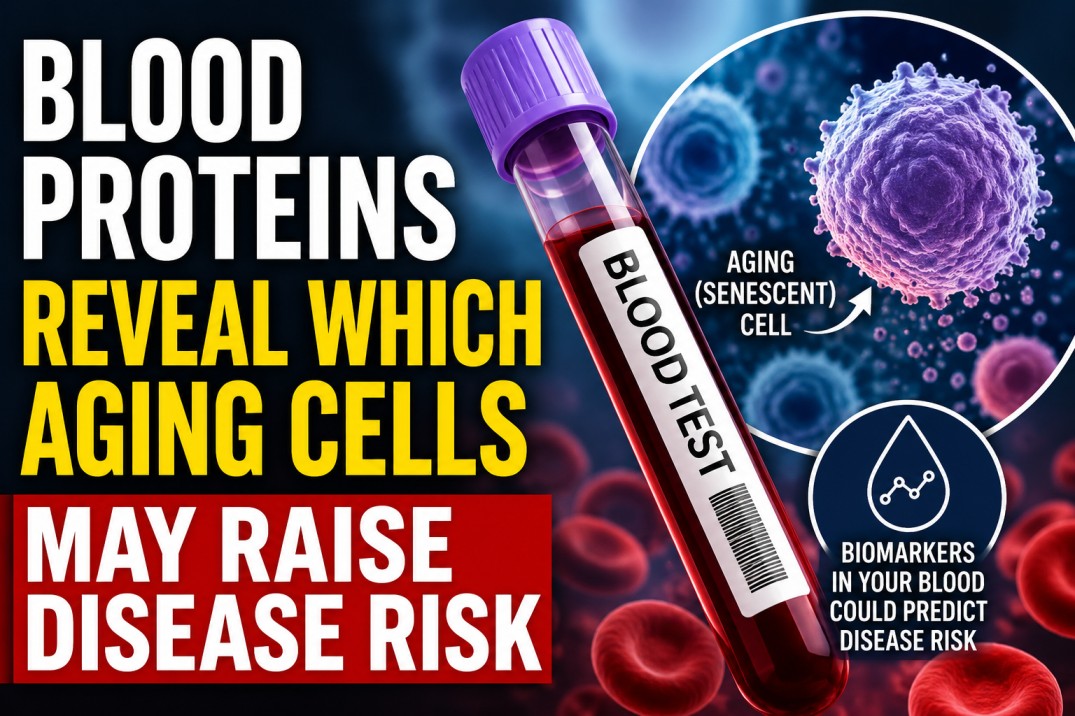
Researchers have identified specific blood proteins that can reveal the presence of aging cells in the body, offering a promising new way to predict the risk of age-related diseases and monitor overall health.
The study, published in a leading scientific journal, found that senescent cells—often referred to as “zombie cells” because they stop dividing but do not die—release distinctive proteins into the bloodstream. By measuring these proteins, scientists were able to identify individuals carrying higher burdens of senescent cells, which have been linked to chronic diseases and biological aging.
Senescent cells naturally accumulate as people grow older and can also develop in response to stress, injury, or disease. While these cells play a role in wound healing and cancer prevention, their long-term buildup can trigger inflammation and damage surrounding tissues, contributing to conditions such as cardiovascular disease, diabetes, arthritis, and neurodegenerative disorders.
Using advanced protein analysis techniques, the research team identified a panel of blood-based biomarkers associated with different types of senescent cells. The findings suggest that a simple blood test could one day help doctors assess biological aging more accurately than chronological age alone.
Researchers say the discovery could also support the development and evaluation of emerging anti-aging therapies known as senolytics, which are designed to selectively eliminate harmful senescent cells from the body.
“Being able to measure senescent cell burden through blood proteins provides a valuable window into the aging process,” the study authors noted. “It may help identify individuals at greater risk of age-related diseases and enable earlier interventions.”
Experts caution that further research is needed before such tests become part of routine clinical practice. However, the findings represent an important step toward personalized approaches to healthy aging and disease prevention.
As the global population continues to age, scientists believe that understanding and tracking cellular aging could play a crucial role in reducing the burden of chronic disease and improving quality of life in later years.