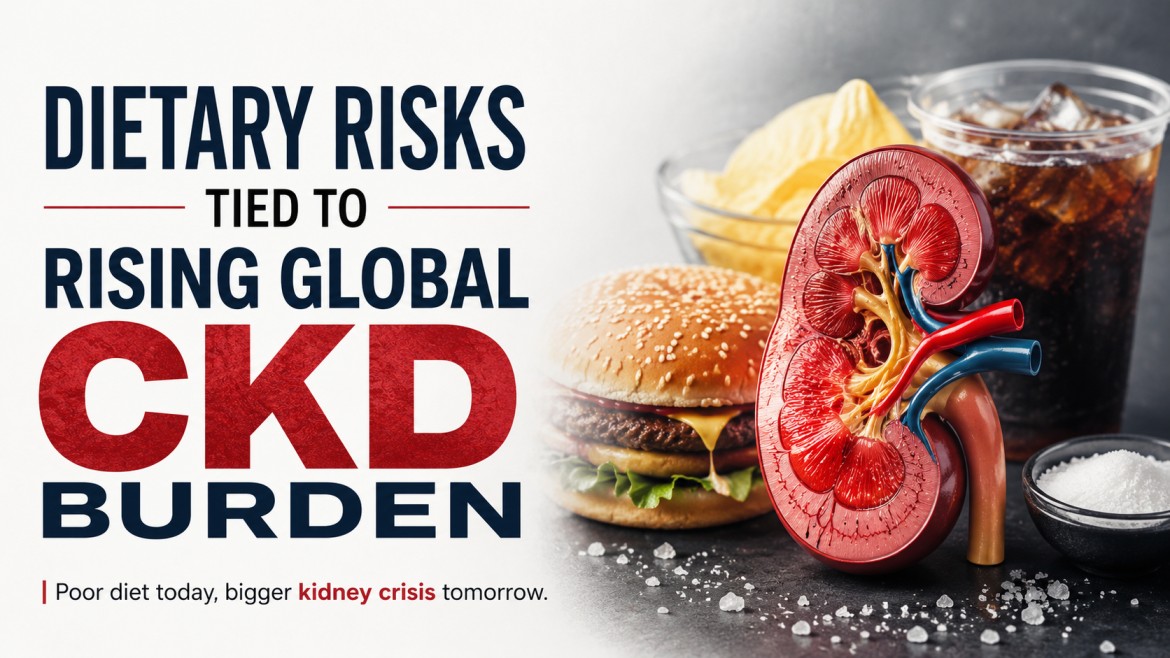
Bhubaneswar: Chronic kidney disease (CKD) is becoming an increasingly serious global health concern, and unhealthy dietary habits are emerging as an important modifiable risk factor. An analysis based on the Global Burden of Disease (GBD) 2021 data estimated that dietary risks were linked to around 3.17 lakh deaths from CKD globally in 2021, along with nearly 79.7 lakh disability-adjusted life years (DALYs). Researchers also found that the diet-related CKD burden has increased substantially since 1990.
A diet low in fruits and vegetables and high in sodium has been identified among the key dietary risks associated with CKD. Researchers estimate that inadequate fruit consumption accounted for around 8.3% of CKD deaths, while low vegetable intake contributed to approximately 6.9% of deaths associated with dietary risks.
Excessive sodium intake is particularly concerning because it can contribute to high blood pressure, one of the leading causes of kidney damage. The 2024 KDIGO guideline recommends that people with CKD generally consume less than 2 grams of sodium per day, equivalent to less than 5 grams of salt daily.
The modern diet is also bringing other concerns. Higher consumption of sugar-sweetened beverages, red meat and processed meat has been associated with the growing CKD burden. Sugar-sweetened beverages, in particular, showed a marked increase in their contribution to diet-related CKD between 1990 and 2021.
Frequent consumption of ultra-processed foods can also indirectly affect kidney health by contributing to obesity, diabetes and hypertension. These conditions are major risk factors for CKD and can accelerate the deterioration of kidney function.
Experts recommend focusing on an overall healthy dietary pattern rather than eliminating individual foods without medical advice. The KDIGO 2024 guideline encourages a diverse diet with greater emphasis on plant-based foods and lower consumption of ultra-processed foods.
However, people who already have CKD need to be more careful. Their requirements for protein, potassium, phosphorus, sodium and fluids can vary according to their stage of kidney disease and other health conditions. Therefore, drastic dietary restrictions should not be undertaken without guidance from a doctor or renal dietitian.
The message is simple: what goes on the plate can influence what happens to the kidneys. Reducing excess salt and highly processed foods, limiting sugary drinks and processed meats, and eating a varied diet rich in minimally processed foods may help reduce some of the dietary risks linked to kidney disease.
Source: Global Burden of Disease Study 2021; KDIGO 2024 Clinical Practice Guideline.