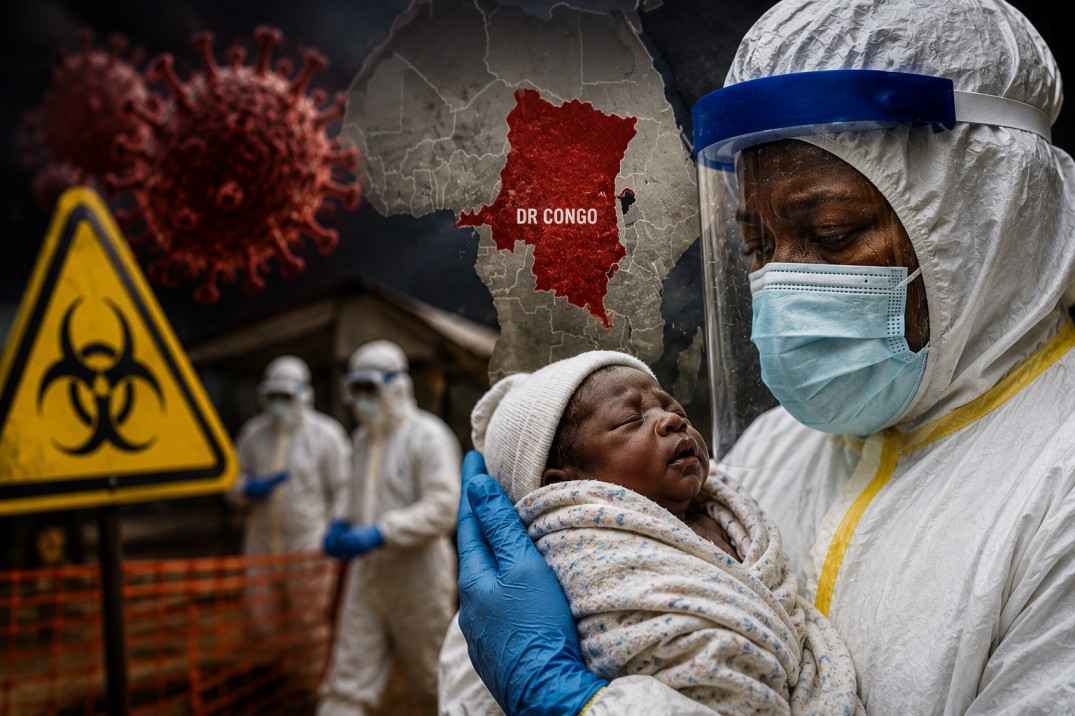
The death of a newborn during the ongoing Ebola outbreak in the Democratic Republic of Congo has drawn renewed attention to the severe risks the deadly virus poses to children and vulnerable populations. Health authorities are intensifying surveillance and response measures as concerns grow over the potential spread of the disease.
According to local health officials, the infant was born to a mother infected with Ebola and succumbed shortly after birth. Medical experts note that newborns and young children face a particularly high risk of severe illness and death when exposed to the virus due to their underdeveloped immune systems.
The latest case underscores the challenges healthcare workers face in containing Ebola outbreaks, especially in regions with limited medical resources. Authorities have launched contact tracing efforts and are closely monitoring individuals who may have been exposed to the virus. Community awareness campaigns are also being strengthened to encourage early reporting of symptoms and adherence to preventive measures.
Ebola is a highly infectious viral disease that spreads through direct contact with the bodily fluids of infected individuals or contaminated materials. Symptoms typically include fever, fatigue, muscle pain, vomiting, diarrhea, and, in severe cases, internal and external bleeding. Without prompt treatment, the disease can be fatal.
Public health experts stress the importance of rapid diagnosis, isolation of suspected cases, and vaccination strategies to curb transmission. International health organizations are supporting local authorities with medical supplies, laboratory testing, and emergency response teams.
As efforts continue to contain the outbreak, the tragic loss of the newborn serves as a stark reminder of the devastating impact Ebola can have on families and communities. Health officials are urging residents to remain vigilant and seek immediate medical attention if symptoms develop.