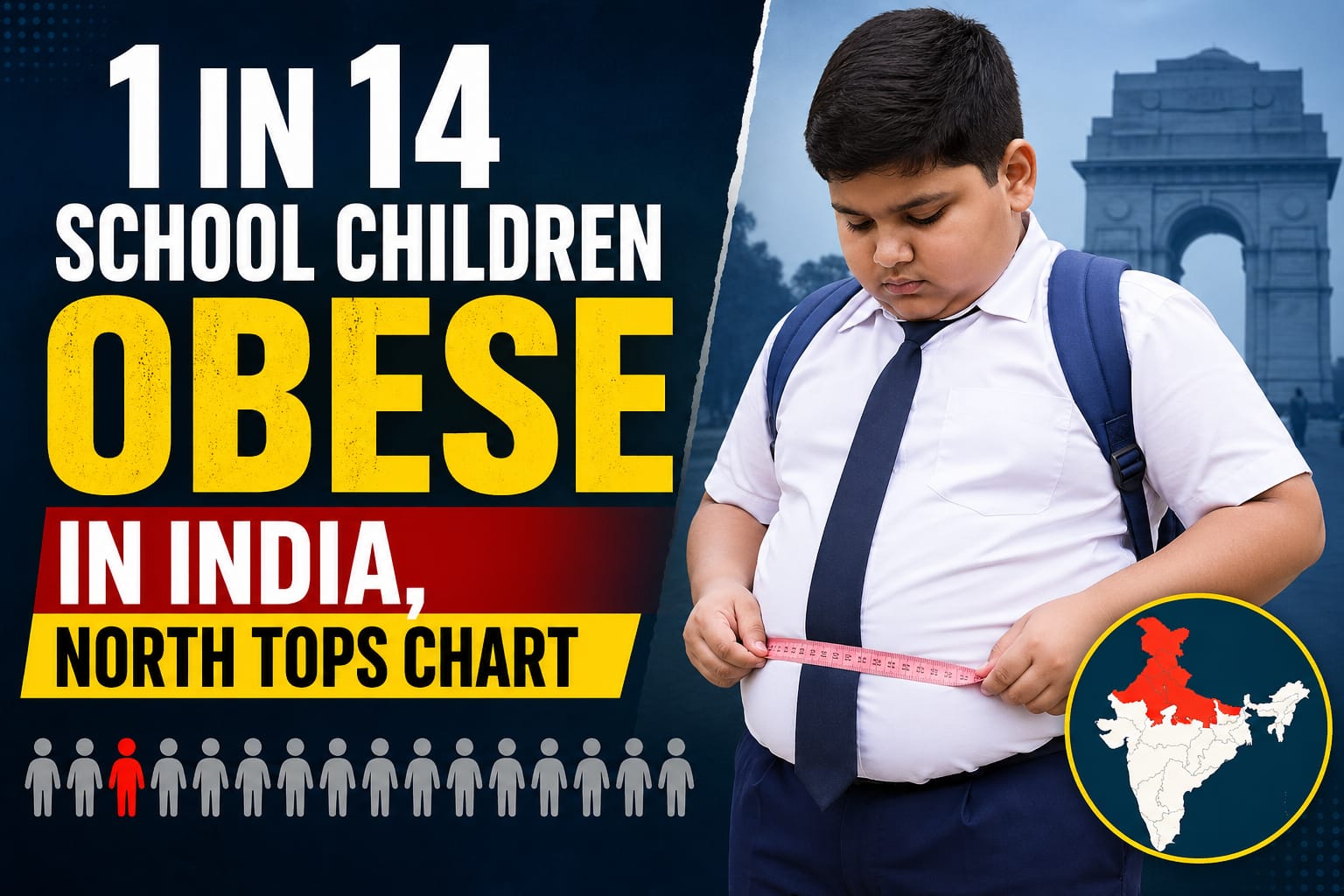
India is witnessing a troubling rise in childhood obesity, with recent findings indicating that nearly one in 14 school-going children is now classified as obese. The trend is particularly pronounced in northern regions of the country, where urban lifestyles, dietary habits, and reduced physical activity are contributing to a sharp increase in weight-related health issues among children.
Health experts warn that the growing prevalence of obesity in school-aged children is not just a cosmetic concern but a serious medical issue. Children with obesity are at a higher risk of developing non-communicable diseases such as Type 2 Diabetes, hypertension, and early cardiovascular complications. The condition also has psychological implications, including low self-esteem and increased risk of anxiety and depression.
The surge in obesity rates has been linked to multiple factors. Increased consumption of ultra-processed foods, sugary beverages, and high-calorie snacks, combined with sedentary habits such as prolonged screen time, are major contributors. Academic pressure and lack of adequate outdoor playtime further exacerbate the issue, especially in urban settings.
Northern states, with their rapidly urbanising populations and changing food environments, appear to be at the forefront of this trend. Experts suggest that higher disposable incomes and easy access to fast food have accelerated unhealthy lifestyle patterns among children in these regions.
Public health specialists emphasize the urgent need for early intervention. Schools and parents play a crucial role in promoting healthier lifestyles by encouraging balanced diets, regular physical activity, and limiting screen time. Initiatives such as nutrition education, mandatory physical education classes, and healthier school meal programs are being recommended as preventive measures.
The findings serve as a wake-up call for policymakers and healthcare providers. Addressing childhood obesity requires a multi-sectoral approach involving education, healthcare, urban planning, and community engagement. Without timely action, India risks facing a future surge in chronic diseases rooted in early-life health patterns.