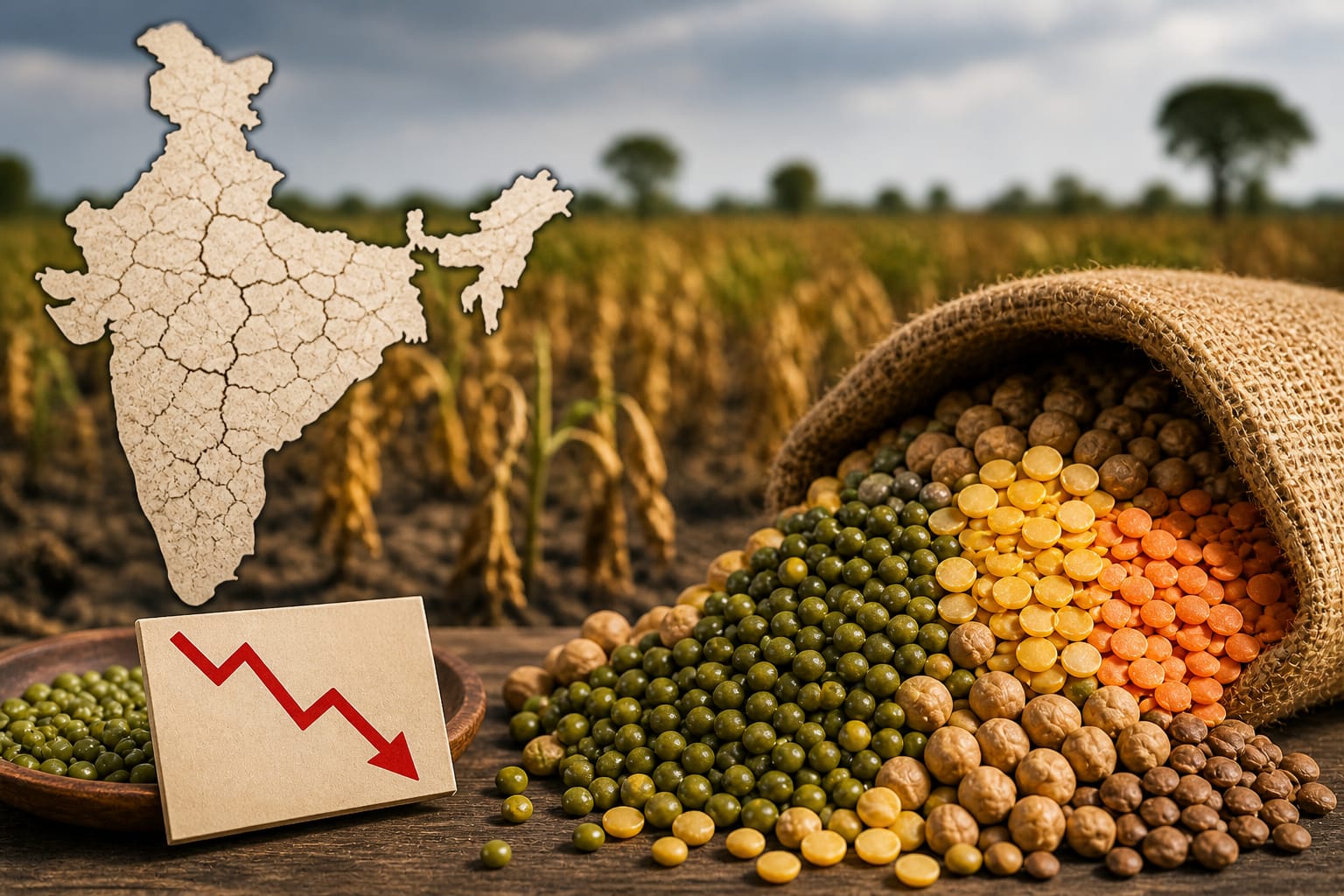
India, one of the world’s largest producers and consumers of pulses, is struggling to grow enough to meet the nutritional needs of its vast population. Despite steady increases in agricultural output, experts warn that current production levels remain insufficient to ensure adequate protein intake for millions.
Pulses such as lentils, chickpeas, and beans are a primary source of protein, especially for vegetarian households. However, a combination of factors, including erratic weather patterns, limited irrigation, and shifting farmer preferences toward more lucrative crops, has constrained growth in pulse cultivation.
According to agricultural analysts, per capita availability of pulses remains below recommended dietary levels. While government initiatives have aimed to boost production through minimum support prices and improved seed distribution, the gains have not kept pace with population growth.
Nutritionists caution that the shortfall could exacerbate protein deficiency, particularly among low-income groups who rely heavily on pulses as an affordable protein source. The gap is also reflected in rising imports, making India increasingly dependent on global markets to meet domestic demand.
Policy experts suggest that a more focused strategy is needed, including investment in climate-resilient farming, expansion of irrigation infrastructure, and incentives to encourage farmers to grow pulses. Strengthening supply chains and reducing post-harvest losses could also help improve availability.
As India continues to grapple with malnutrition and dietary imbalances, ensuring adequate pulse production is emerging as a critical priority for both food security and public health.