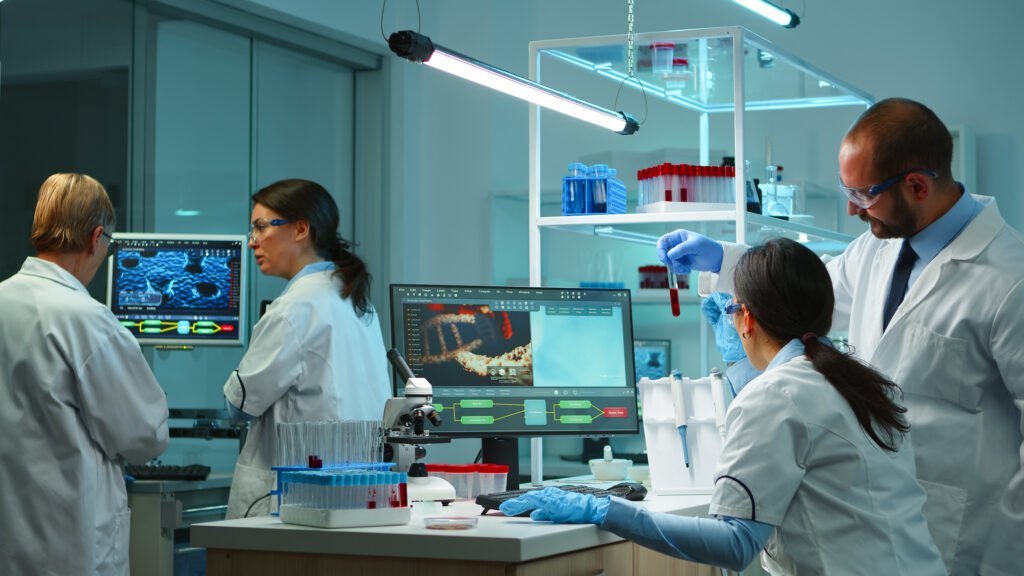
LONDON — The dream of permanently correcting hereditary genetic disorders is accelerating as CRISPR gene-editing technology approaches global standardization. Once written off as an expensive, hyper-niche experimental procedure confined to elite university laboratories, simplified CRISPR protocols have dropped production and execution costs significantly.
Medical scientists are leveraging this cheap, precise gene-cutting mechanism to systematically target and repair defective genetic sequences responsible for generational blood conditions.
Clinical trials targeting inherited disorders like Thalassemia and Sickle Cell disease are yielding unprecedented success rates, with patients showing sustained healthy cell production after a single genomic intervention cycle. As manufacturing scales globally, regulatory bodies are establishing strict international oversight frameworks to ensure these powerful DNA therapies are safely and equitably distributed to developing medical centers worldwide.