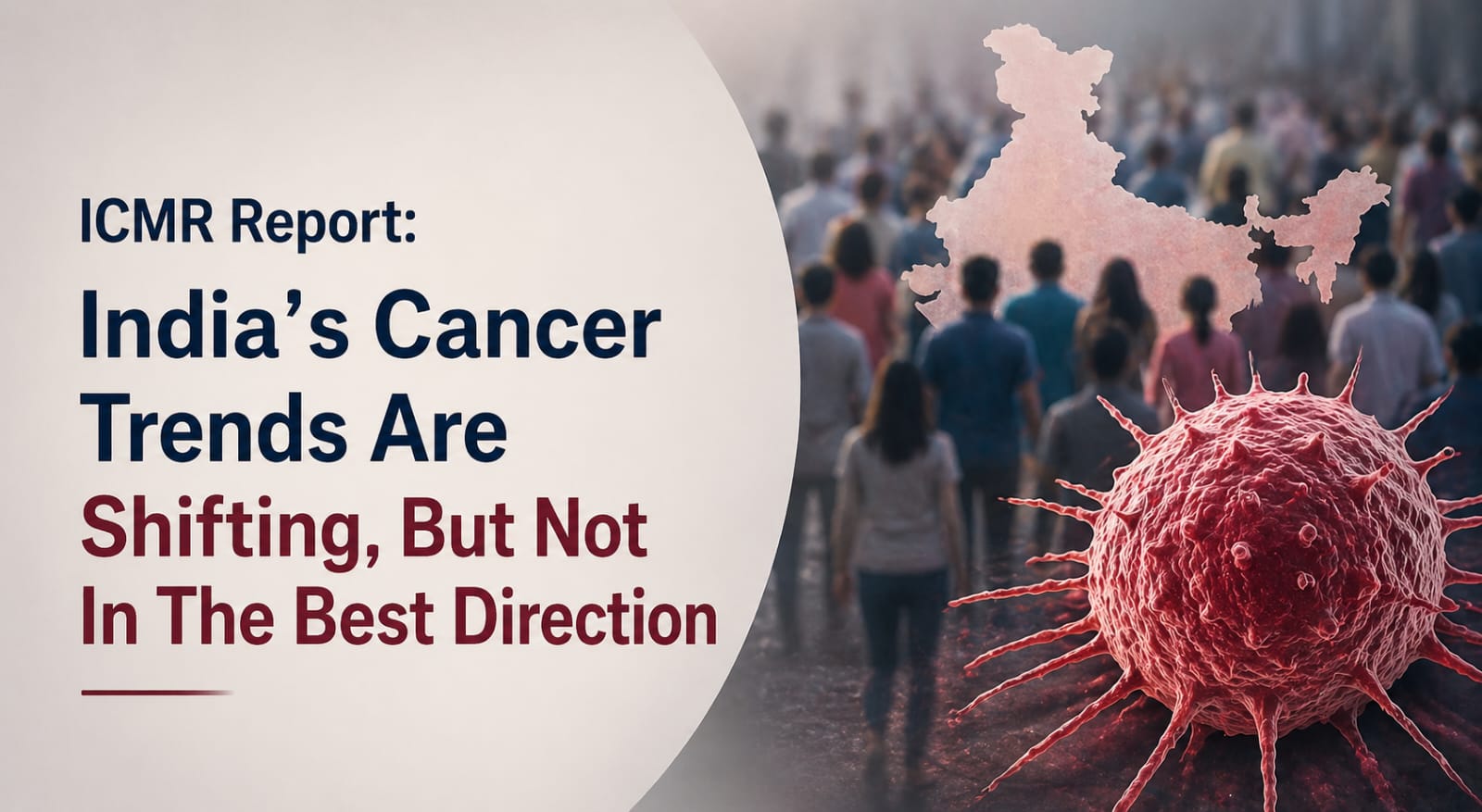
India’s cancer landscape is undergoing a troubling transformation, with rising case numbers, younger patients, and shifting disease patterns pointing toward a growing public health challenge. Recent national data suggests that the country is witnessing a steady increase in cancer incidence, with annual cases expected to climb well beyond current figures in the coming years.
What is particularly concerning is the changing age profile of patients. Cancer, once largely associated with older populations, is now being diagnosed more frequently among people in their 30s and 40s. This shift has alarmed health experts, who link it to a mix of modern lifestyle factors such as poor diet, lack of physical activity, increasing stress, and prolonged exposure to environmental pollutants. The tendency to overlook early symptoms in younger individuals is also contributing to delayed diagnoses, often leading to more advanced stages of the disease at detection.
At the same time, the overall risk of developing cancer in a lifetime has increased, with a significant portion of the population now vulnerable to the disease. Among women, breast and cervical cancers remain the most common, while men are more frequently affected by cancers of the lung, oral cavity, and prostate. These patterns reflect both lifestyle risks and gaps in preventive healthcare.
The rise in cancer cases is being driven by multiple factors. Tobacco use continues to be one of the leading contributors, alongside alcohol consumption, obesity, and sedentary habits. While improvements in diagnostic capabilities have led to better detection, a large number of cases are still identified late due to limited screening coverage and low awareness, especially in semi-urban and rural areas.
This combination of increasing incidence and late detection is putting additional strain on the healthcare system. Without stronger interventions, projections indicate that the number of cancer cases could rise sharply in the next decade, making it one of the country’s most pressing health concerns.
Addressing this growing burden will require more than just treatment capacity. Experts emphasize the need for widespread awareness, early screening programmes, lifestyle changes, and better access to affordable care. As India continues to grapple with the shift toward non-communicable diseases, the evolving trends in cancer serve as a stark reminder that prevention and early action are now more critical than ever.