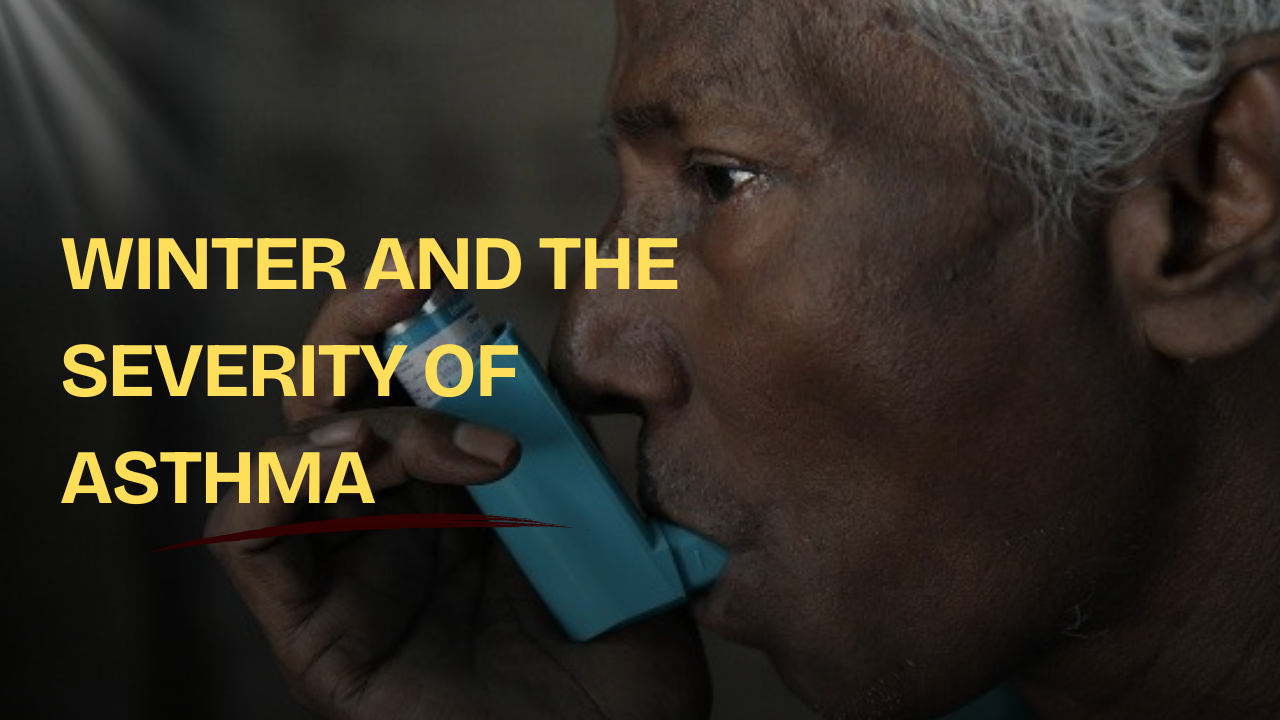
As winter settles in, bringing with it crisp mornings and fog-laden evenings, hospitals and clinics across the country are witnessing a familiar yet worrying trend: a sharp rise in asthma-related cases. What many consider a season of comfort and celebration has quietly become a challenging time for people living with respiratory conditions, particularly asthma.
Doctors note that the cold winter air is one of the strongest triggers for asthma attacks. When inhaled, cold and dry air irritates the airways, causing them to tighten and produce excess mucus. For asthma patients, this reaction can lead to wheezing, persistent coughing, shortness of breath, and, in severe cases, emergency hospital visits. Even individuals who experience mild symptoms during other seasons often find their condition worsening as temperatures drop.
Adding to the problem is increased air pollution during winter. The burning of wood, coal, and other fuels for heating, combined with temperature inversions that trap pollutants close to the ground, significantly reduces air quality. Smog and fine particulate matter irritate the lungs and inflame already sensitive airways. In urban areas, this pollution becomes a dangerous companion to the cold, pushing asthma cases even higher.
Winter also brings a surge in respiratory infections such as the common cold, flu, and bronchitis, all of which can trigger asthma symptoms. Viral infections inflame the airways, making breathing more difficult and asthma control harder to maintain. Children and the elderly are particularly vulnerable, often missing school or work due to frequent flare-ups.
Indoor environments, where people spend most of their winter days, can be another hidden culprit. Closed windows, limited ventilation, and the use of heaters can increase exposure to indoor allergens like dust mites, pet dander, and mold. These allergens thrive in warm, enclosed spaces and can silently aggravate asthma symptoms, sometimes without immediate warning.
Health experts stress that while winter poses clear challenges, asthma attacks during this season are largely preventable with proper care and awareness. Wearing scarves or masks to warm the air before breathing, avoiding outdoor activities during peak pollution hours, and keeping indoor spaces clean and well-ventilated can make a significant difference. Most importantly, patients are encouraged to continue their prescribed medications and not ignore early warning signs.
The seasonal rise in asthma cases serves as a reminder that respiratory health is deeply connected to our environment. As winter tightens its grip, increased awareness, timely medical care, and preventive measures can help ensure that the cold air does not steal the breath of those already fighting to breathe.