Across many parts of the world, infant deaths remain a troubling public health issue. While global child mortality has declined significantly over the past few decades, experts say thousands of infants still die every day from causes that are largely preventable. Health officials point to a combination of medical, social, and economic factors behind these deaths.
One of the most common reasons infants die is complications related to premature birth. Babies born too early often have underdeveloped organs, making them vulnerable to breathing problems, infections, and feeding difficulties. According to global health researchers studying Premature Birth Complications, these conditions remain the leading cause of death in children under five.
Infections are another major factor. Newborns with weak immune systems can quickly become critically ill if exposed to bacteria or viruses. Conditions such as Sepsis, Pneumonia, and Meningitis can progress rapidly in infants without timely treatment.
Birth complications also play a significant role. A lack of oxygen during delivery—known medically as Birth Asphyxia—can lead to death or severe long-term disability if not managed immediately.
In many low- and middle-income regions, limited access to quality prenatal care and skilled birth attendants increases the risks for newborns. Hospitals may lack specialized neonatal equipment such as incubators or ventilators. In rural areas, families often face long travel distances before reaching a medical facility.
Public health experts at the World Health Organization say that strengthening maternal care before and during pregnancy could prevent a large portion of infant deaths.
The health of mothers before and during pregnancy directly affects newborn survival. Malnutrition, untreated infections, and inadequate prenatal checkups increase the likelihood of premature delivery or low birth weight. Babies born underweight are more likely to develop complications within the first weeks of life.
Environmental conditions also influence infant mortality. Poor sanitation and unsafe drinking water increase exposure to disease. Air pollution and household smoke can harm both pregnant mothers and newborns.
Social factors—such as early marriage, limited education for mothers, and lack of family planning services—also contribute to higher infant mortality rates in some regions.
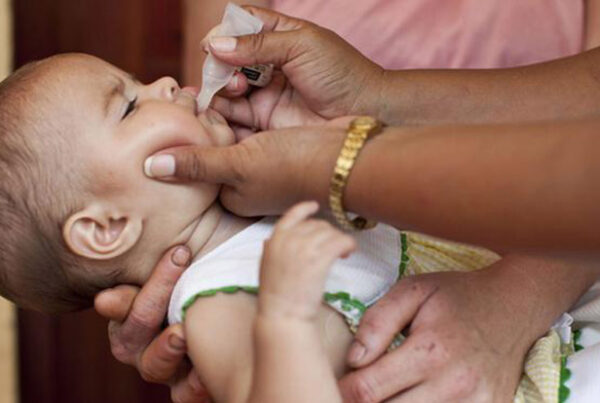
Despite the challenges, health specialists emphasize that many infant deaths are preventable. Vaccination, improved maternal nutrition, skilled birth attendance, breastfeeding support, and early medical care can dramatically increase survival rates.
Programs led by organizations like the United Nations Children’s Fund have helped reduce infant mortality worldwide, but experts say continued investment in healthcare systems is essential.
Researchers and policymakers agree that reducing infant mortality requires coordinated efforts—from improving hospitals and training healthcare workers to addressing poverty and education. While progress has been made, the survival of millions of newborns still depends on expanding access to basic healthcare and preventive services.