Vaccination is one of the most important tools in safeguarding children’s health. It has played a crucial role in reducing the spread of infectious diseases, preventing long-term health complications, and saving countless lives across the globe. For parents, understanding the importance of vaccinations and ensuring their children are up to date with their immunization schedules is essential in protecting them from a variety of preventable illnesses.
Vaccines are designed to help the body develop immunity to specific diseases without causing the illness itself. They work by stimulating the immune system to recognize and fight off harmful pathogens such as viruses and bacteria. By introducing a weakened or inactive version of a pathogen, or parts of it, vaccines prepare the immune system to recognize and respond rapidly if the child encounters the disease in the future. This proactive defense helps children avoid serious complications like hospitalizations, long-term disability, or even death.
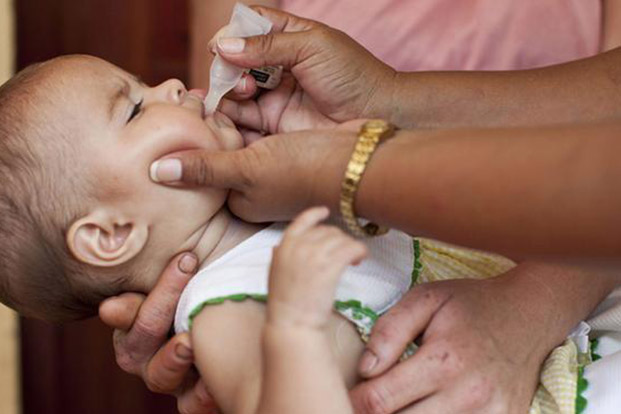
Childhood vaccines are carefully scheduled to provide protection when children are most vulnerable. Many vaccines are given in early childhood, with additional boosters and catch-up doses as the child grows. Some of the most common vaccines include those for measles, mumps, rubella, diphtheria, tetanus, whooping cough, polio, and more recently, vaccines for diseases like COVID-19. The Centers for Disease Control and Prevention (CDC) and the World Health Organization (WHO) provide detailed vaccination schedules to help parents and caregivers know when and which vaccines their children should receive.
One of the key benefits of childhood vaccination is herd immunity, which occurs when a high percentage of the population is vaccinated. This reduces the overall spread of diseases, protecting those who cannot be vaccinated due to medical reasons, such as children with compromised immune systems or allergies to vaccine components. Herd immunity is vital in preventing outbreaks and keeping vulnerable populations safe.
It is also important to note that vaccines undergo rigorous testing and monitoring to ensure their safety and efficacy. In the U.S., the Food and Drug Administration (FDA) and the Centers for Disease Control and Prevention (CDC) continuously assess the safety of vaccines through extensive research and monitoring systems. Side effects are typically mild and temporary, such as redness or swelling at the injection site, and serious side effects are extremely rare. The benefits far outweigh the risks, especially when you consider the potential long-term health benefits and the protection vaccines provide not just for your child but for the broader community.
Despite the overwhelming evidence supporting the safety and effectiveness of vaccines, misinformation about immunization continues to circulate. This misinformation can contribute to vaccine hesitancy, which has led to the resurgence of diseases that were once nearly eradicated. Parents must rely on credible, science-backed sources to make informed decisions about their child’s health and vaccination. Consult your pediatrician, who can provide guidance based on the latest research and the specific needs of your child.
Vaccination is a gift of protection—a simple yet powerful way to ensure that children grow up healthy and strong. It is a key investment in both individual and public health. By ensuring that your child receives the vaccines they need, you are not only safeguarding their future but also contributing to the well-being of your community and the world at large.
In conclusion, vaccination is a cornerstone of child health and well-being. It is a safe, effective, and essential measure in preventing potentially severe diseases. Parents who choose to vaccinate their children are making an informed decision that protects their child’s health, prevents the spread of diseases, and strengthens community immunity. As we continue to face new health challenges, vaccination remains one of our most powerful tools in ensuring a healthier, safer future for all children.