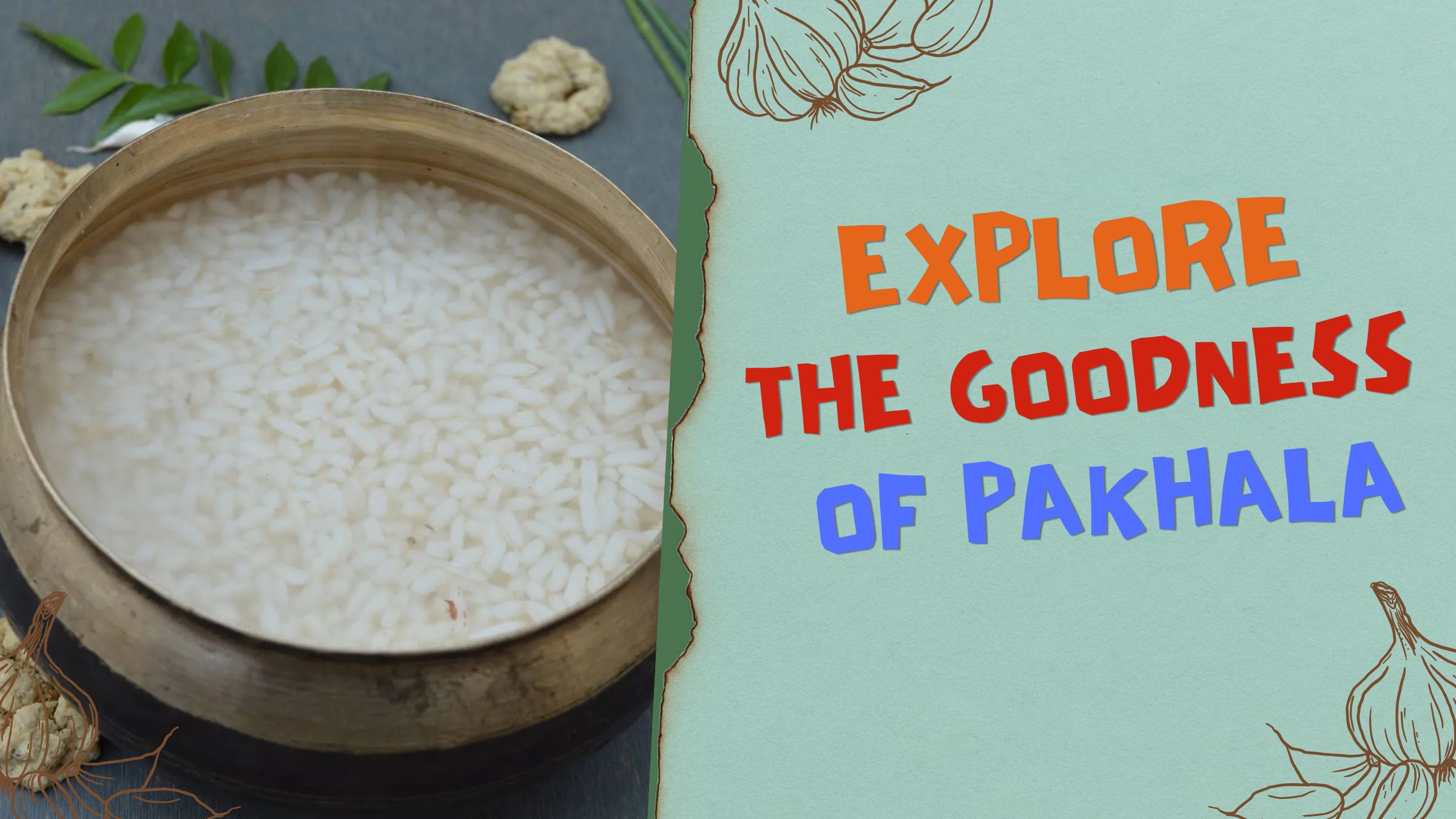
As we just celebrated Pakhala Dibasa yesterday, the humble bowl of Pakhala once again took center stage—not just as a cultural icon of Odisha, but as a surprisingly powerful health food perfectly suited for modern lifestyles.
Pakhala, made by fermenting cooked rice in water, has been a staple in Odia households for generations. Often paired with curd, fried vegetables, fish, or leafy greens, it is more than just a meal—it is a seasonal adaptation to the region’s hot and humid climate.
What our ancestors practiced out of necessity is now backed by science: fermented foods like pakhala offer a wide range of health benefits.
Why Pakhala is a Nutritional Powerhouse
1. Natural Probiotic Boost
The fermentation process encourages the growth of beneficial bacteria. These probiotics support gut health, improve digestion, and may even strengthen immunity. A healthy gut is increasingly linked to better overall well-being, including mental health.
2. Keeps the Body Cool
With temperatures rising across Odisha, pakhala acts as a natural coolant. Its high water content and slightly sour nature help regulate body temperature and prevent heat-related fatigue.
3. Easy to Digest
Pakhala is light on the stomach, making it ideal for people recovering from illness or those with digestive issues. The fermentation partially breaks down nutrients, making them easier to absorb.
4. Rich in Essential Nutrients
Despite its simplicity, pakhala contains vital nutrients like B vitamins (especially B12 in fermented versions), iron, potassium, and magnesium. When paired with traditional sides like spinach or roasted vegetables, its nutritional value increases significantly.
5. Hydration and Electrolyte Balance
The watery base of pakhala helps maintain hydration, while the added salt replenishes electrolytes lost through sweating—crucial during peak summer.
Pakhala is also a reminder of sustainable eating. It utilizes leftover rice, reduces food waste, and requires minimal cooking energy. In today’s world of processed foods and fast meals, this traditional dish stands out as both eco-friendly and nourishing.
While it remains deeply traditional, pakhala fits seamlessly into contemporary health trends like gut-friendly diets and clean eating. Whether enjoyed in its classic form or with innovative twists, it deserves a place on today’s tables.
Though Pakhala Dibasa has just passed, its message lingers: sometimes the simplest foods are the most powerful. In rediscovering pakhala, we reconnect not only with our cultural roots but also with a healthier, more balanced way of living.
As summer intensifies, perhaps the best thing we can do for our bodies is to return to this cooling, nourishing bowl—one that has quietly sustained generations.