India’s rapid economic growth and technological advancement present an image of progress and global ambition. Yet behind this narrative lies a persistent crisis that affects millions of young lives: child malnutrition. Despite improvements in food production, welfare schemes, and healthcare infrastructure, a large number of Indian children continue to suffer from poor nutrition, revealing deep-rooted social and systemic challenges that growth alone has failed to resolve.
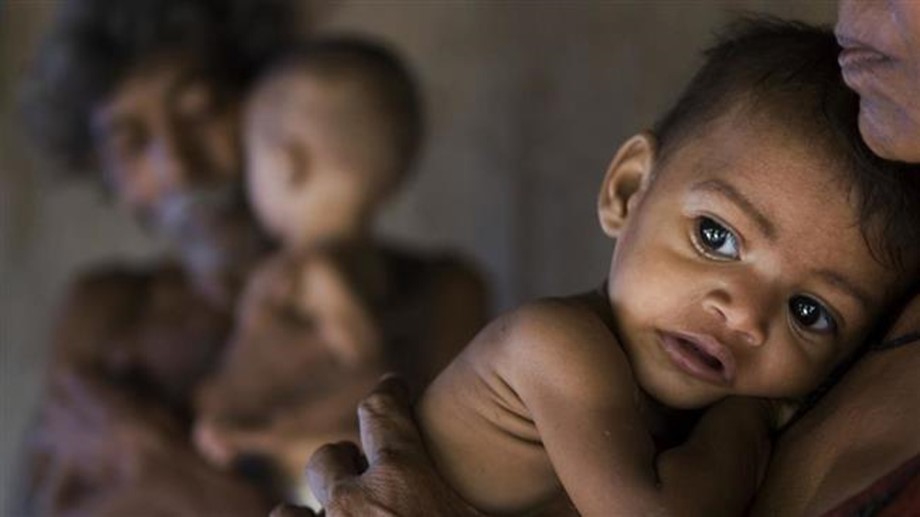
Child malnutrition in India remains widespread, particularly among children under five years of age. Many are underweight, stunted, or wasted, conditions that have lifelong consequences. Malnourished children are more vulnerable to infections, experience delayed cognitive development, and often struggle academically. These disadvantages follow them into adulthood, limiting their economic opportunities and perpetuating cycles of poverty and poor health.
Poverty and inequality are central to the persistence of malnutrition. While food may be available at the national level, access to nutritious and diverse diets is uneven. Millions of families cannot afford fruits, vegetables, pulses, and animal-based proteins on a regular basis. Instead, they rely on low-cost foods that fill the stomach but lack essential nutrients. Socially and economically marginalized communities are especially vulnerable, as limited income is often compounded by poor access to healthcare, sanitation, and education.
Malnutrition often begins even before a child is born. A large proportion of Indian women suffer from anemia and undernutrition during pregnancy. Early marriages and frequent pregnancies weaken maternal health further, increasing the risk of low birth weight and poor immunity in newborns. When mothers lack adequate nutrition, healthcare, and rest, their children are far more likely to face nutritional deficiencies from the very start of life.
Feeding practices during infancy and early childhood also play a critical role. Exclusive breastfeeding for the first six months is not consistently followed, and complementary feeding is frequently delayed or nutritionally inadequate. Many families lack awareness about the importance of dietary diversity and age-appropriate feeding. Cultural norms, misinformation, and aggressive promotion of packaged foods and breast milk substitutes further undermine healthy feeding practices.
Poor sanitation and hygiene continue to worsen the nutrition crisis. In many parts of India, children grow up in environments with unsafe drinking water, inadequate toilets, and poor waste management. Frequent exposure to infections such as diarrhea reduces the body’s ability to absorb nutrients, even when food intake is sufficient. This constant battle with illness traps children in a cycle of undernutrition and poor health.
Although the government has introduced several nutrition-focused programs, gaps in implementation remain a serious concern. Welfare schemes often fail to reach the most vulnerable due to administrative inefficiencies, lack of trained personnel, and weak monitoring systems. In remote and underserved regions, anganwadi centers and health facilities may be poorly equipped or irregularly functional, limiting their impact on child nutrition outcomes.
Education, particularly of women and girls, remains a powerful yet underutilized tool in combating malnutrition. Mothers with higher levels of education are more likely to make informed decisions about nutrition, healthcare, and hygiene. However, gender inequality, early school dropouts, and limited opportunities for women reduce their ability to protect their children from malnutrition.
In conclusion, child malnutrition in India persists not because of a lack of food alone, but because of interconnected challenges rooted in poverty, inequality, poor health systems, and social norms. Addressing this issue requires a comprehensive approach that strengthens maternal health, improves sanitation, enhances education, and ensures that nutrition programs reach every child in need. Until these deeper issues are resolved, child malnutrition will remain a stark reminder that true development must be measured by the well-being of a nation’s children.