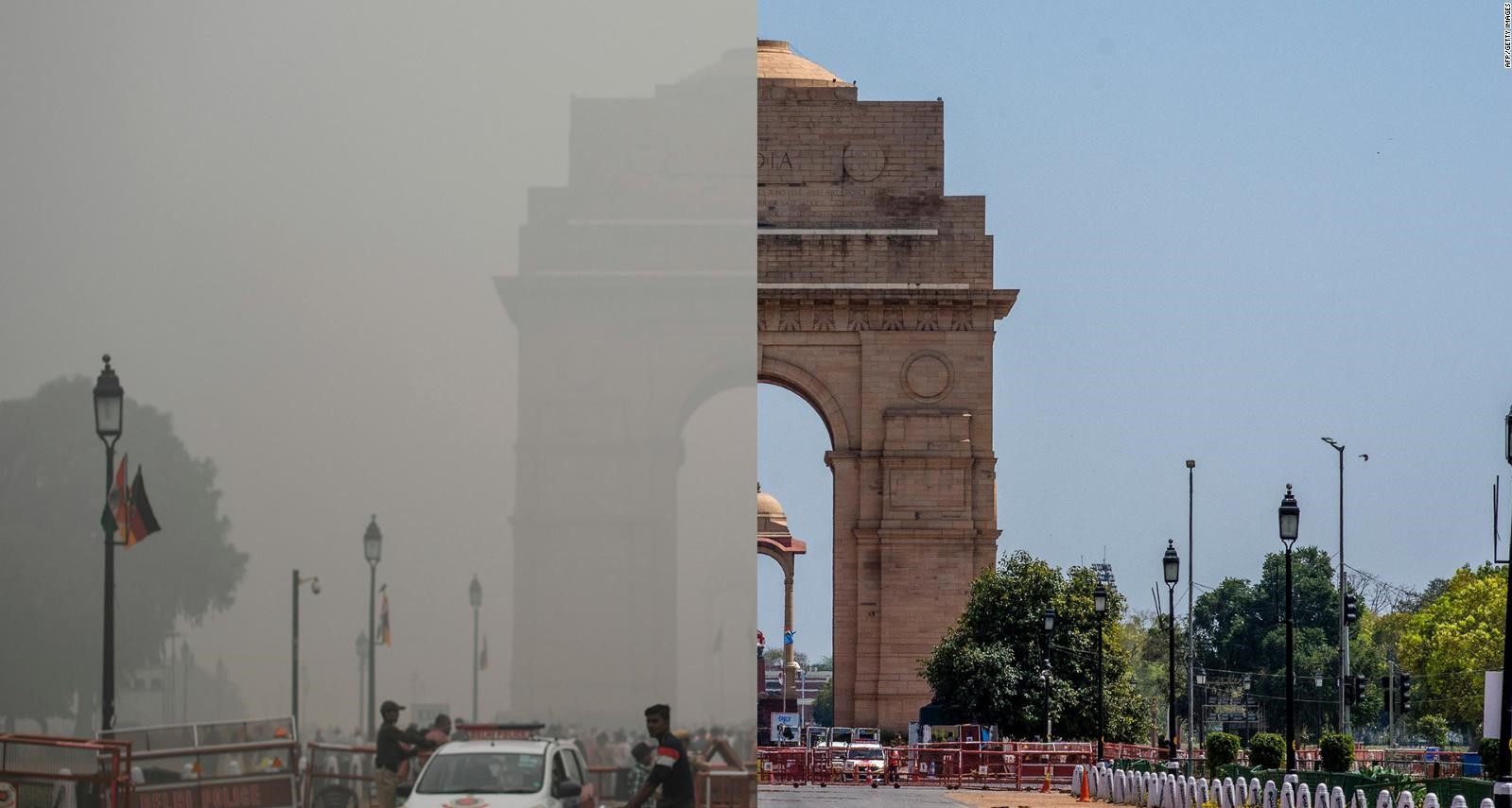
Delhi’s air pollution reached record levels on Sunday, with the overall Air Quality Index (AQI) touching 461, placing it firmly in the ‘severe’ category. In some areas, the situation was even worse: AQI levels hit 500 in Wazirpur and crossed 490 in Noida, according to data from the Central Pollution Control Board (CPCB). On Monday, the AQI in the national capital remained alarmingly high at around 450. An AQI above 400 is classified as ‘severe’ and poses serious health risks.
While air pollution is widely known to cause respiratory and cardiovascular problems, growing evidence suggests it also has a significant impact on mental health. High levels of pollution have been linked to increased stress, psychological distress, depression, and a higher risk of cognitive disorders such as dementia and Alzheimer’s disease.
Several studies have explored the connection between air pollution and psychiatric disorders. Research published in the Journal of Environmental Economics and Management found that exposure to PM2.5 particles has a differential impact on mental health conditions. Depression and stress were found to be more sensitive to changes in PM2.5 levels than anxiety. The study also highlighted a “heterogeneous effect” of air pollution, meaning its mental health impact varies across different age and sex groups.
According to the findings, individuals under the age of 18 are the least affected mentally by changes in PM2.5 concentration. In contrast, adults aged 18–65 years are the most vulnerable to increased pollution levels. For those over 65, the impact of PM2.5 on depression was positive but not statistically significant. Overall, the association between air pollution and conditions such as depression and stress showed highly statistically significant results, underscoring the serious mental health implications of prolonged exposure to polluted air.