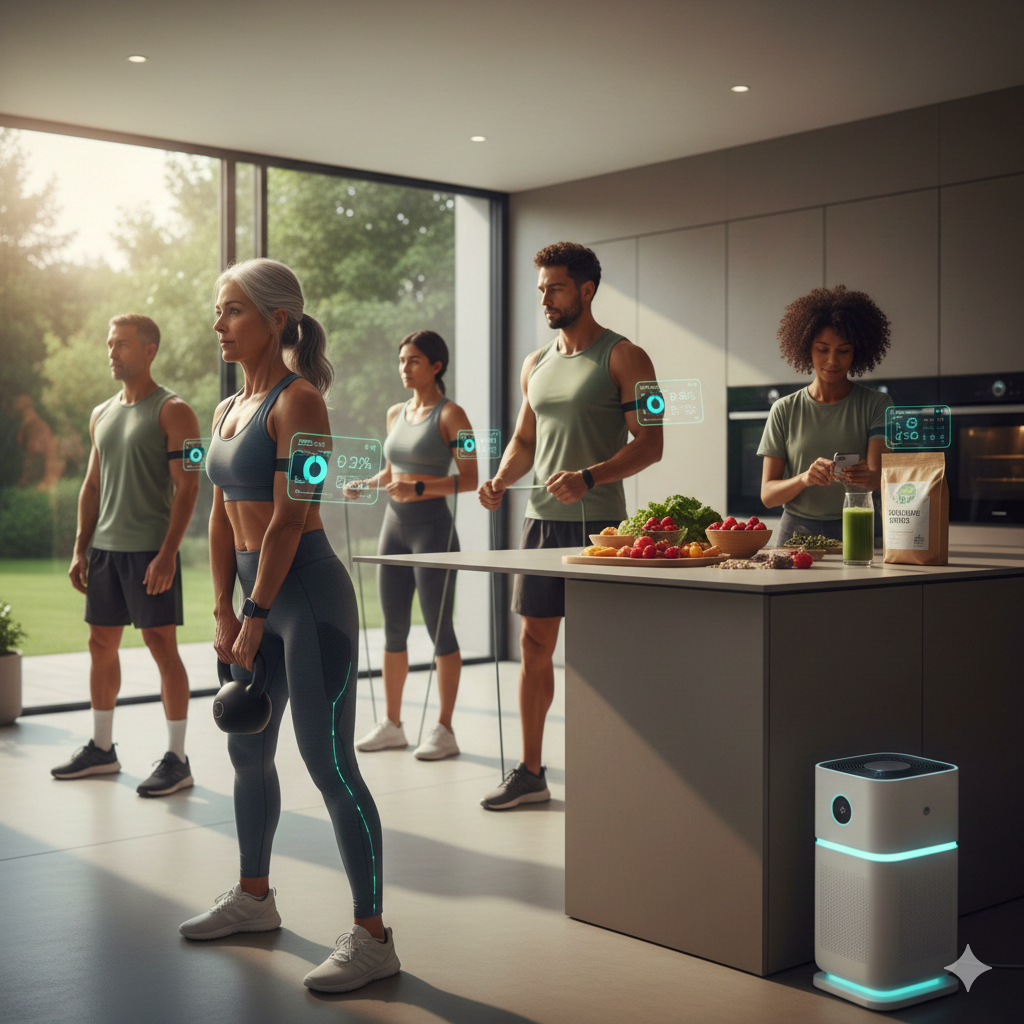
For years, the global health conversation focused on lifespan—simply adding more years to the clock. However, as we move through early 2026, the narrative has shifted toward healthspan and a concept known as metabolic resilience. This trend represents a move away from generic wellness advice toward a highly personalized, data-driven approach to how our bodies process energy, manage inflammation, and repair cellular damage.
One of the most significant shifts this year is the reimagining of muscle as a vital metabolic organ rather than just a tool for movement or aesthetics. Research has increasingly shown that skeletal muscle plays a central role in insulin sensitivity and systemic inflammation. This has led to a surge in resistance training across all age groups, supported by new protein-timing protocols and the mainstream adoption of muscle-preserving peptides. By maintaining lean mass, individuals are finding they can better navigate the metabolic stressors of modern life, from sedentary work environments to the hidden impacts of ultra-processed foods.
The reckoning with ultra-processed foods has also reached a tipping point this season. Public awareness is no longer just about calories or sugar; it is about how complex industrial processing alters the gut microbiome and triggers low-grade chronic inflammation. This shift is driving a massive demand for minimally processed, “functional” whole foods that support the gut-brain axis. In tandem, personalized nutrition is becoming the norm, with AI-driven platforms analyzing real-time glucose markers and microbiome sequences to tell individuals exactly which foods fuel their specific biology and which ones trigger an inflammatory spike.
Technological integration has also moved past simple step-counting into the era of deep biological monitoring. In 2026, wearable devices have evolved to track heart rate variability, recovery scores, and even interstitial biomarkers that provide a window into internal stress levels. This data allows for a proactive rather than reactive health strategy. Instead of waiting for symptoms to appear, people are using these insights to adjust their sleep hygiene, supplement with cellular optimizers like NAD+, and practice precision recovery. This holistic view ensures that mental wellbeing and physical health are treated as a single, interconnected system.
As these trends continue to converge, the goal for the average person has become clear: building a body that is not just free of disease, but is metabolically flexible enough to thrive in an ever-changing environment. The focus is no longer on perfection, but on the resilience required to maintain high cognitive and physical function well into the later decades of life.