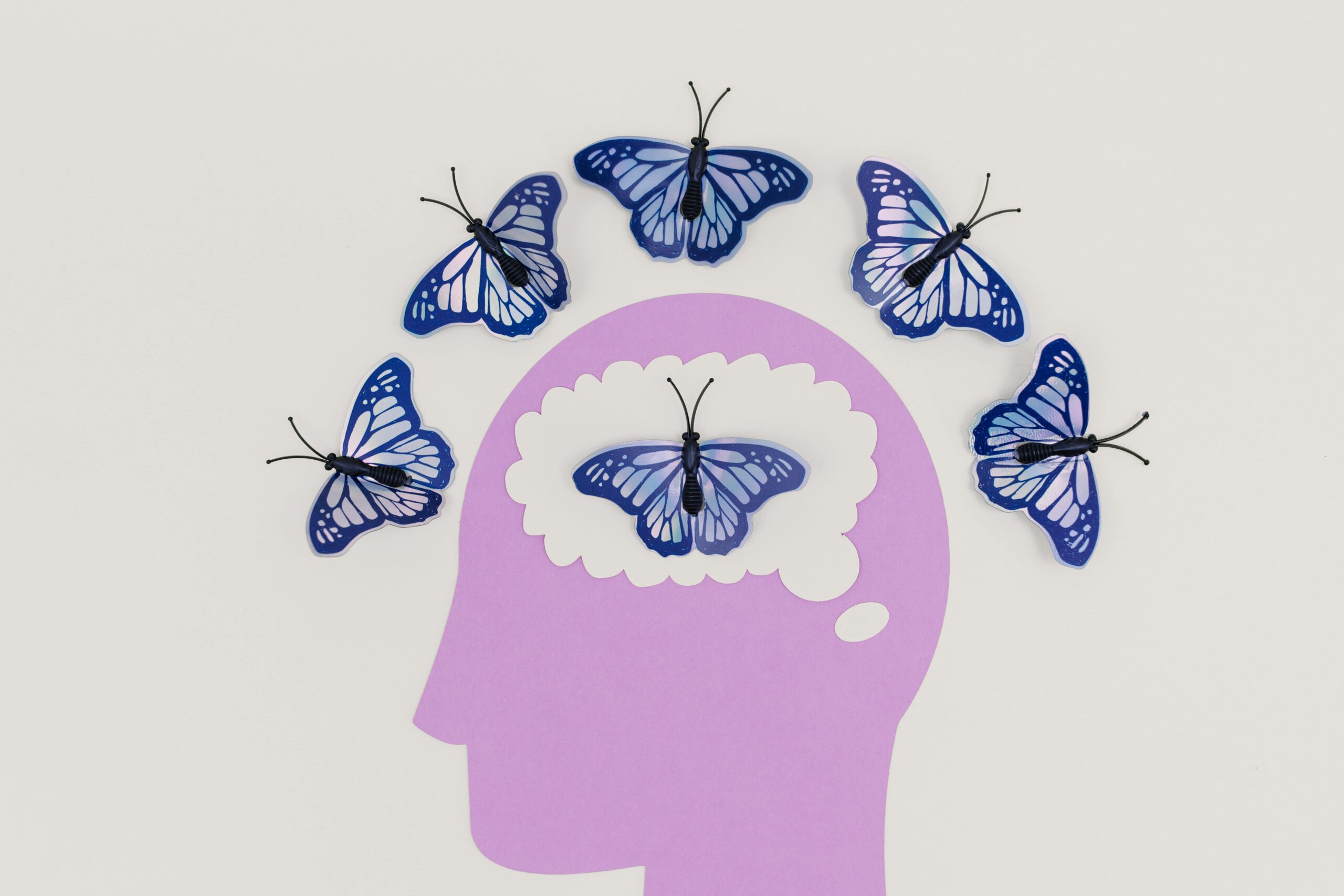
A groundbreaking study published this week in the journal Neuron has revealed that the benefits of physical training aren’t just built in the muscles and lungs—they are programmed by the brain. Researchers at UT Southwestern Medical Center have identified a specific set of neurons in the ventromedial hypothalamus (VMH) that act as a “control switch” for endurance.
In experimental models, scientists discovered that when these specific brain cells were “fired up” after an exercise session, the subjects continued to see improvements in their physical stamina long after their training had plateaued. Conversely, when these neurons were blocked, the body failed to develop the typical muscle adaptations and increased calorie-burning capacity that exercise usually provides.
This discovery is a major leap forward for metabolic health. It suggests that the brain actively directs how the body adapts to physical stress. Most importantly, researchers believe this could lead to future treatments that “mimic” the benefits of exercise for individuals who are unable to move due to injury, illness, or limited mobility, effectively helping them maintain cardiovascular and metabolic health from a neurological level.