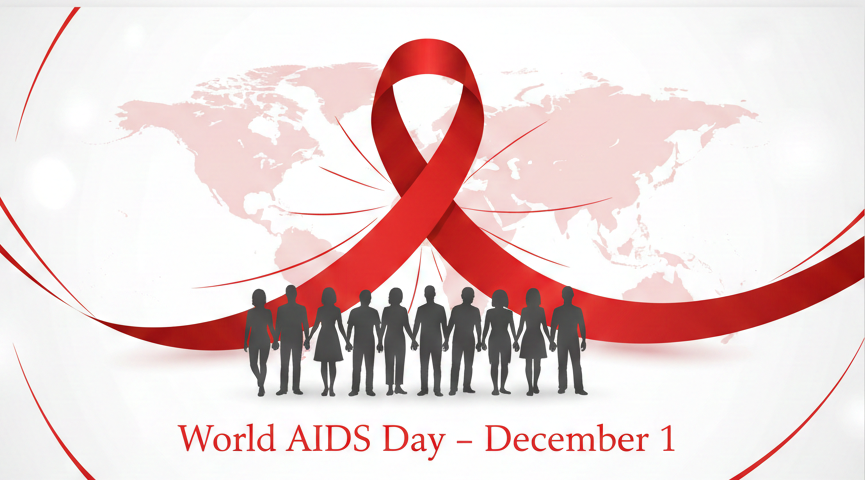
Every year on December 1st, people around the world come together to observe World AIDS Day, a day dedicated to raising awareness about HIV/AIDS, remembering those who have lost their lives to the disease, and pushing for continued progress in the fight against the epidemic. Nearly 40 million people worldwide have been affected by HIV/AIDS since the pandemic began, and World AIDS Day serves as a crucial reminder of the need for education, prevention, and compassionate care for those living with HIV.
The History of World AIDS Day
World AIDS Day was first observed in 1988, following a call by the World Health Organization (WHO) for an international day of awareness. At the time, the HIV/AIDS epidemic was rapidly spreading, and stigma surrounding the disease was widespread. When the virus was first identified in the early 1980s, it was met with fear, confusion, and misinformation, particularly as it was associated with marginalized groups like LGBTQ+ communities, people who inject drugs, and sex workers. Establishing World AIDS Day marked a pivotal moment in drawing global attention to this public health crisis, and its continued observance plays a key role in combating the stigma and discrimination that continue to surround HIV/AIDS.
The Global Impact of HIV/AIDS
While significant progress has been made over the years, HIV/AIDS remains a major global health issue. Thanks to the introduction of antiretroviral therapy (ART), many people living with HIV are able to lead longer, healthier lives. People who adhere to ART can manage the virus, allowing them to live well into their 50s, 60s, and beyond. However, despite these advances, the virus is still a public health challenge, particularly in regions such as sub-Saharan Africa, where nearly two-thirds of people living with HIV reside.
According to recent data from UNAIDS (the United Nations Program on HIV/AIDS), around 38 million people worldwide are living with HIV. Despite the fact that the number of new infections has decreased by 23% since 2010, millions of people still face barriers to treatment due to stigma, discrimination, and insufficient access to healthcare. For many, getting tested, starting treatment, or accessing care is still a monumental challenge.
The Role of World AIDS Day in Raising Awareness
World AIDS Day plays several important roles. First and foremost, it serves as an opportunity to raise awareness about HIV/AIDS and the ongoing challenges faced by those living with the virus. While antiretroviral drugs have made a significant impact, HIV is still misunderstood by many. Misinformation about the virus continues to fuel stigma, which can deter people from getting tested or seeking care. In many places, myths about HIV—such as that it can be spread through casual contact—persist, creating unnecessary fear and isolation for people living with the virus.
Another key purpose of World AIDS Day is to honor those who have lost their lives to the disease. AIDS-related deaths peaked in the 1990s and early 2000s, but thanks to treatment advancements, the number of deaths has decreased significantly. Still, the day is a reminder of the millions who have died, many of whom passed away before effective treatments became available. Remembering those who have lost their lives to the epidemic helps bring attention to the ongoing struggles of individuals and communities affected by HIV/AIDS, and underscores the importance of continuing the fight against the virus.
In addition, World AIDS Day provides a platform for activists, healthcare professionals, and organizations to showcase their work and advocate for policy changes. The day often includes campaigns focused on prevention, testing, and treatment, as well as promoting human rights and reducing stigma. These efforts help ensure that the global response to HIV/AIDS continues to progress in a way that is inclusive and accessible to everyone, regardless of their background or circumstances.
The Fight Against Stigma
Perhaps one of the most persistent and harmful challenges in the fight against HIV/AIDS is the stigma and discrimination that still surrounds the disease. In many countries, fear and misunderstanding about HIV continue to marginalize those who are infected, preventing them from accessing treatment or support. People living with HIV often face social isolation, discrimination in the workplace, and even violence—all of which can make it harder for them to seek care or lead fulfilling lives.
World AIDS Day plays a critical role in challenging these negative perceptions. Public figures, activists, and individuals often share personal stories of living with HIV in order to normalize the conversation and show that people with HIV can lead full, healthy lives. These efforts help highlight the need for greater empathy and understanding, and for policies that respect the rights of those living with the virus.
A significant part of the global HIV response focuses on combating stigma, both at the societal level and within healthcare systems. Many organizations, including the United Nations, have advocated for a “Zero Discrimination” approach to HIV, calling for equal treatment and care for people living with HIV, regardless of their social, economic, or demographic status. The goal is to eliminate both discriminatory attitudes and structural barriers that prevent people from receiving the care they need.
A Continuing Journey
The progress made since the early days of the HIV/AIDS epidemic is undeniable. Antiretroviral therapy has saved millions of lives, new prevention methods have emerged, and awareness of the virus has reached unprecedented levels. But despite this progress, the fight against HIV/AIDS is far from over. While many people with HIV now live long, healthy lives, access to treatment remains unequal, and the virus continues to disproportionately affect marginalized communities.
The global community is committed to ending AIDS as a public health threat by 2030, but achieving this goal will require sustained efforts to ensure universal access to care, address the root causes of inequality, and continue challenging the stigma that fuels discrimination. As the world observes World AIDS Day each year, it serves as a reminder of how far we’ve come and how much work still remains.
In the coming years, the continued focus on HIV prevention, including the use of pre-exposure prophylaxis (PrEP), and greater efforts to combat healthcare inequalities will remain crucial. The world must also redouble its commitment to addressing the social determinants that exacerbate the HIV epidemic, such as poverty, lack of education, and gender-based violence.
Ultimately, World AIDS Day is about more than just raising awareness—it is about taking action. It is about showing solidarity with people living with HIV, acknowledging the ongoing challenges, and ensuring that we remain committed to building a future where the virus is no longer a threat to public health. The fight against HIV/AIDS is not just a medical battle; it is a fight for human rights, dignity, and equality for everyone.
By coming together on December 1st, we remember those who have been lost, stand with those who are living with the virus, and recommit to ending this epidemic once and for all. The day serves as a poignant reminder that, together, we can make a world of difference.