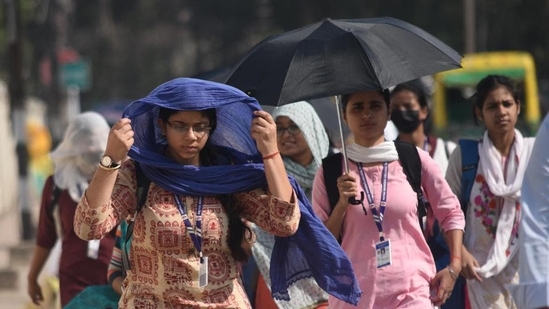
India is witnessing an early surge in heatwave conditions this year, prompting health authorities to issue advisories across several states. With temperatures already crossing 40°C in parts of central and northern India, hospitals are reporting an increase in heat-related illnesses such as dehydration, heat exhaustion, and heatstroke.
Public health experts warn that vulnerable groups—including children, the elderly, and outdoor workers—are at the highest risk. Symptoms such as dizziness, excessive sweating, nausea, and confusion should not be ignored, as they may indicate serious heat-related conditions.
State governments have begun implementing preventive measures, including setting up cooling shelters, distributing oral rehydration salts (ORS), and adjusting school timings. The Health Ministry has also urged people to stay hydrated, avoid direct sun exposure during peak hours, and wear light, breathable clothing.
Doctors emphasize the importance of early intervention. “Many cases can be prevented with simple precautions like drinking enough water and avoiding strenuous activities during the hottest parts of the day,” said a senior physician at a Delhi government hospital.
Climate experts link the increasing frequency of heatwaves to broader environmental changes, stressing the need for long-term preparedness. Meanwhile, citizens are advised to follow local weather updates and health advisories closely.
As temperatures continue to rise, public awareness and timely action remain key to reducing the health impact of extreme heat across the country.