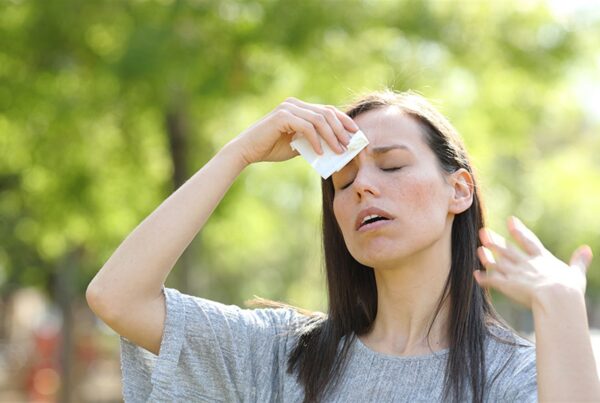
Spring—the season synonymous with blooming flowers, longer days, and warmer weather—often brings a sense of renewal. However, along with the bright sunshine and fresh air, it can also usher in a rise in infections. Though you might expect spring to be a time when colds and flu fade away, this season actually witnesses an uptick in a variety of illnesses. But why is this the case?
In this article, we’ll dive into the reasons why infections tend to rise in spring and what you can do to stay healthy during this season of transition.
1. The Changing Weather
One of the most obvious causes of spring-related infections is the unpredictable nature of the weather. Spring often begins with a mix of chilly days and sudden warm spells, which can make it harder for our bodies to adapt. Cold weather still lingers while warmer temperatures draw out more allergens and bacteria. This fluctuation in temperature can weaken our immune systems, making us more susceptible to viral and bacterial infections.
The shifts between hot and cold weather can trigger respiratory infections such as the common cold or even flu-like illnesses. When it’s cold, people are more likely to stay indoors where germs can spread quickly, while the warmer days encourage outdoor activities, which may expose us to different pathogens, especially if our immune systems are still adjusting.
2. Allergies and Seasonal Pollens
Spring is also the season when allergens, particularly pollen, are most prevalent. Pollen from trees, grass, and flowers fills the air, causing a spike in allergic reactions like sneezing, itchy eyes, and congestion. But the interesting thing is that these allergy symptoms can weaken your body’s defense mechanisms, making you more vulnerable to infections.
When your body is busy fighting off allergens, the immune system is already in “overdrive.” This can make it more challenging to fend off infections like the flu or cold. Additionally, many people turn to antihistamines to ease their allergy symptoms, but these can also dry out the mucous membranes in your nose and throat, which are part of the body’s natural defense system against viruses and bacteria.
3. Increased Outdoor Activity
As the weather warms up, more people head outdoors to enjoy the fresh air, which leads to more physical activity. While this is generally good for health, it can also increase exposure to germs. Whether you’re at a park, a sports game, or a public event, outdoor spaces are often teeming with people, creating opportunities for germs to spread.
For example, viral infections like the flu, the common cold, and stomach bugs can spread easily in crowded settings, especially when people touch shared surfaces or participate in group activities. Sports, in particular, often involve physical contact, increasing the likelihood of coming into contact with infected individuals or contaminated surfaces.
4. Seasonal Immune System Changes
Your immune system doesn’t work the same way throughout the year. During the colder months, when sunlight exposure is limited and vitamin D production is lower, your immune system may be less efficient. With the arrival of spring, your body gradually adapts to longer days and increased exposure to sunlight. However, the transition isn’t always smooth, and the immune system can be temporarily weaker, making you more susceptible to illness.
Moreover, as the season changes, the types of bacteria and viruses in circulation also shift. In spring, many respiratory illnesses like colds or even the flu can still be active, while new bugs, including gastrointestinal infections, may start to spread as people spend more time outdoors.
5. Spring Break and Travel
Spring break and the desire to travel during the season often lead to gatherings of large groups of people in confined spaces like airplanes, hotels, and vacation spots. These environments, particularly when people are traveling internationally, are prime locations for the spread of infections, as viruses like norovirus or respiratory infections can travel rapidly from one person to another in crowded settings.
Increased travel also brings people into contact with different environments where they may encounter unfamiliar pathogens. This might explain the rise in infections such as gastrointestinal illness or even traveler’s diarrhea during this time of year.
6. Poor Hygiene Habits
Spring break vacations, outdoor festivals, and weekend outings often involve less attention to hygiene, especially in busy or high-traffic areas. Public restrooms, beaches, and parks are often not the cleanest places, and many people forget basic hygiene practices like washing their hands frequently or using hand sanitizer after touching public surfaces. This can easily lead to the spread of infectious diseases, particularly those caused by bacteria, such as foodborne illnesses or stomach bugs.
7. The Flu Isn’t Finished Yet
Spring is usually the tail end of flu season, but many people still fall sick with influenza during this time. Even though flu rates drop as the weather warms up, the flu virus can still circulate in the spring months, especially in places where people are indoors due to rain or fluctuating temperatures. Since the flu virus spreads through droplets in the air, outbreaks often happen in places like schools, workplaces, and public transport during this time.
How to Protect Yourself from Spring Infections
Now that we know why infections tend to rise in spring, here are some tips on how to stay healthy:
- Wash Your Hands: Frequent handwashing is one of the most effective ways to prevent the spread of infections. When you’re out and about, especially in public spaces, make sure to wash your hands thoroughly or use hand sanitizer when soap and water aren’t available.
- Stay Hydrated: Seasonal allergies and springtime germs can take a toll on your body, so it’s important to drink plenty of water to help your immune system fight off infections.
- Boost Your Immune System: Ensure you’re getting enough sleep, eating a balanced diet, and, if needed, taking vitamins to help support your immune system. Vitamin D, in particular, plays a crucial role in immune function, so consider getting some sunlight or taking a supplement if you’re not getting enough.
- Protect Against Allergies: If you suffer from allergies, try to minimize your exposure to pollen by staying indoors during peak pollen times (usually in the morning) and keeping windows closed. Antihistamines and nasal sprays can help alleviate symptoms.
- Practice Good Hygiene: Whether you’re playing sports or just hanging out with friends, make sure to wipe down shared surfaces and avoid touching your face as much as possible.
- Get Vaccinated: If flu season is still active, getting a flu shot can help protect you from getting sick. While the flu vaccine isn’t 100% effective, it can reduce the severity of symptoms if you do get infected.
Though spring often symbolizes a time of growth and renewal, it also brings certain health challenges. Weather changes, allergies, increased social gatherings, and weakened immune systems can all contribute to a rise in infections during this season. By staying vigilant and following the right precautions, you can reduce your risk of getting sick and make the most of this beautiful time of year.