Zinc is one of the most vital minerals your body needs, and yet it often flies under the radar compared to more well-known nutrients like calcium or vitamin C. While it may not always get the spotlight, zinc plays a critical role in maintaining your health, supporting everything from your immune system to your skin and even your sense of taste. In this article, we’ll explore why zinc is so important for your body and how you can ensure you’re getting enough of it.
What Is Zinc and Why Does Your Body Need It?
Zinc is a trace mineral, which means your body only requires it in small amounts, but it is still essential for a wide range of physiological functions. Zinc is involved in over 300 different processes in the body, from boosting your immune system to helping enzymes function properly. Your body doesn’t store zinc, which means it’s crucial to consume it regularly through your diet to keep up with your body’s needs.
1. Immune System Support
Perhaps one of zinc’s most well-known roles is its ability to boost the immune system. Zinc plays a central role in the function of immune cells like T-cells and macrophages, which help your body fight off infections. Without enough zinc, your immune system might not work as effectively, making you more susceptible to illnesses like colds, flu, or other infections.
Studies have shown that taking zinc supplements can reduce the duration of a common cold and may even help prevent it in some cases. Zinc also helps the body produce white blood cells, which are essential for fighting off viruses and bacteria.
2. Skin Health
Zinc is often touted for its skin benefits, and for good reason. It plays a key role in maintaining healthy skin by supporting the production of collagen, the protein responsible for keeping your skin firm and elastic. Zinc also has anti-inflammatory properties, which can help reduce the symptoms of acne, eczema, and other skin conditions.
Additionally, zinc is used in many topical treatments for wound healing, because it helps the body repair tissue and reduces the risk of infection. It’s no wonder that many skin creams and ointments designed to treat sunburn, cuts, or rashes contain zinc oxide.
3. Growth and Development
For teenagers and children, zinc is especially important for growth and development. Zinc is necessary for the proper formation of DNA, cell division, and protein synthesis—processes that are crucial for growth. That’s why a lack of zinc during key developmental years can lead to stunted growth or developmental delays.
For women, zinc also plays a role in reproductive health, including regulating hormone levels and supporting healthy menstrual cycles. It is also involved in the proper development of the baby during pregnancy, helping in fetal growth and development.
4. Enhancing Sense of Taste and Smell
One of the more surprising roles of zinc is its effect on your sense of taste and smell. Zinc is essential for the proper functioning of the enzymes that are responsible for the cells in your taste buds. Without enough zinc, your ability to taste and smell might diminish, and in extreme cases, it could even cause a condition called hypogeusia, which results in a reduced or complete loss of taste.
Interestingly, zinc deficiency is often linked with a loss of appetite, which can become a vicious cycle—if you can’t taste food properly, you may not eat enough, which could lead to a further decrease in zinc levels.
5. Brain Function and Mental Health
Zinc also has a profound impact on your brain function and mental health. It helps regulate neurotransmitters, the chemicals that transmit messages in the brain, and it plays a key role in cognitive functions like memory, attention, and learning.
Recent studies have shown that zinc deficiency may be linked to mental health disorders, such as depression and anxiety. In fact, researchers believe that zinc supplementation may have a positive effect on mood and could be a potential complementary treatment for people with these conditions. Zinc’s role in balancing neurotransmitters is thought to be why people with low zinc levels are more prone to feelings of irritability, sadness, or cognitive difficulties.
6. DNA Synthesis and Cellular Function
Zinc is crucial for cellular growth and repair, as it is involved in DNA synthesis. Every time your cells divide or regenerate, zinc is required to ensure that your genetic material is correctly copied. This process is especially important during periods of rapid growth, such as during childhood or pregnancy, but it is necessary for everyone to maintain overall health.
Additionally, zinc is a key factor in the function of more than 300 enzymes in the body, including those involved in metabolism, digestion, nerve function, and many other critical processes. Without adequate zinc, these enzymes cannot perform optimally, leading to problems in various body systems.
7. Preventing Age-Related Conditions
As we age, our bodies become more vulnerable to age-related conditions, such as macular degeneration, which affects vision. Zinc plays a role in eye health and may even help prevent or slow the progression of these conditions. The retina, the part of the eye responsible for vision, contains high concentrations of zinc, and studies have shown that maintaining good zinc levels may protect against age-related vision problems.
What Happens If You Don’t Get Enough Zinc?
Zinc deficiency can lead to a variety of health problems, some of which can be quite serious. Early signs of zinc deficiency might include symptoms like fatigue, weakened immune function, hair loss, and poor wound healing. If left untreated, a severe zinc deficiency can cause:
- Impaired growth and development (especially in children)
- Hair loss and thinning
- Delayed wound healing
- Skin conditions such as acne or eczema
- Loss of appetite or changes in taste and smell
- Increased susceptibility to infections
Severe zinc deficiency is rare in developed countries, but it can still happen, especially in people with poor diets, digestive disorders, or those who are pregnant or breastfeeding.
How to Get Enough Zinc
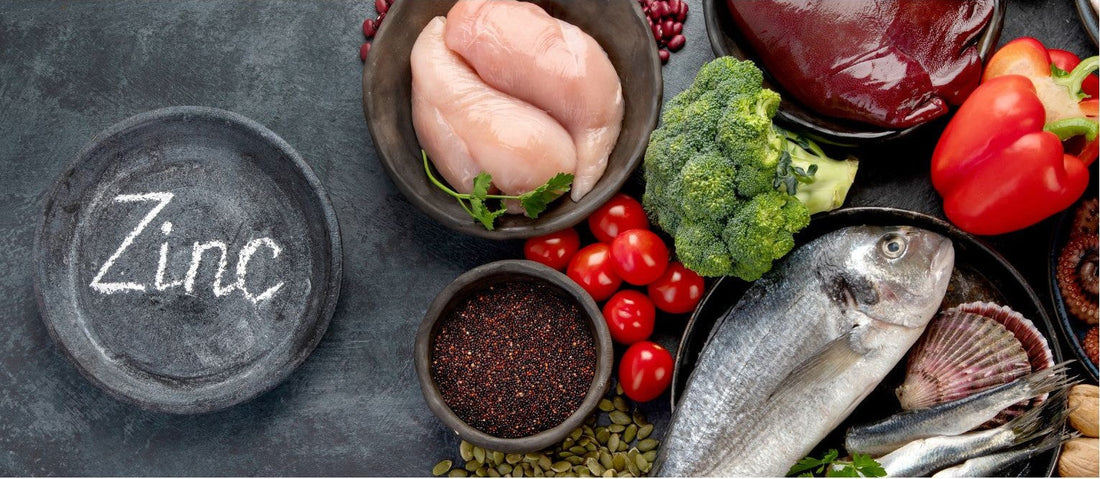
Most people can get enough zinc through a balanced diet. Some of the best food sources of zinc include:
- Meat and poultry (especially red meat and poultry like chicken and turkey)
- Seafood (especially oysters, crab, and lobster)
- Legumes (such as chickpeas, lentils, and beans)
- Nuts and seeds (especially pumpkin seeds, cashews, and almonds)
- Dairy products (like cheese and milk)
- Whole grains (such as oats, quinoa, and brown rice)
- Fortified cereals (some breakfast cereals are fortified with zinc)
For those who don’t get enough zinc from food or who have higher zinc needs (like pregnant women or athletes), taking a zinc supplement might be recommended, but it’s always best to consult a healthcare professional before doing so.
Zinc is one of the unsung heroes of your body’s health, playing a role in everything from immune function and skin health to cognitive performance and growth. Because it is involved in so many important processes, ensuring you get enough zinc is essential to maintaining overall well-being. Whether through a diet rich in zinc-rich foods or a supplement, getting your recommended daily intake can help keep your body functioning at its best.
So, the next time you think about your health, remember: zinc might just be the missing piece in your nutritional puzzle.