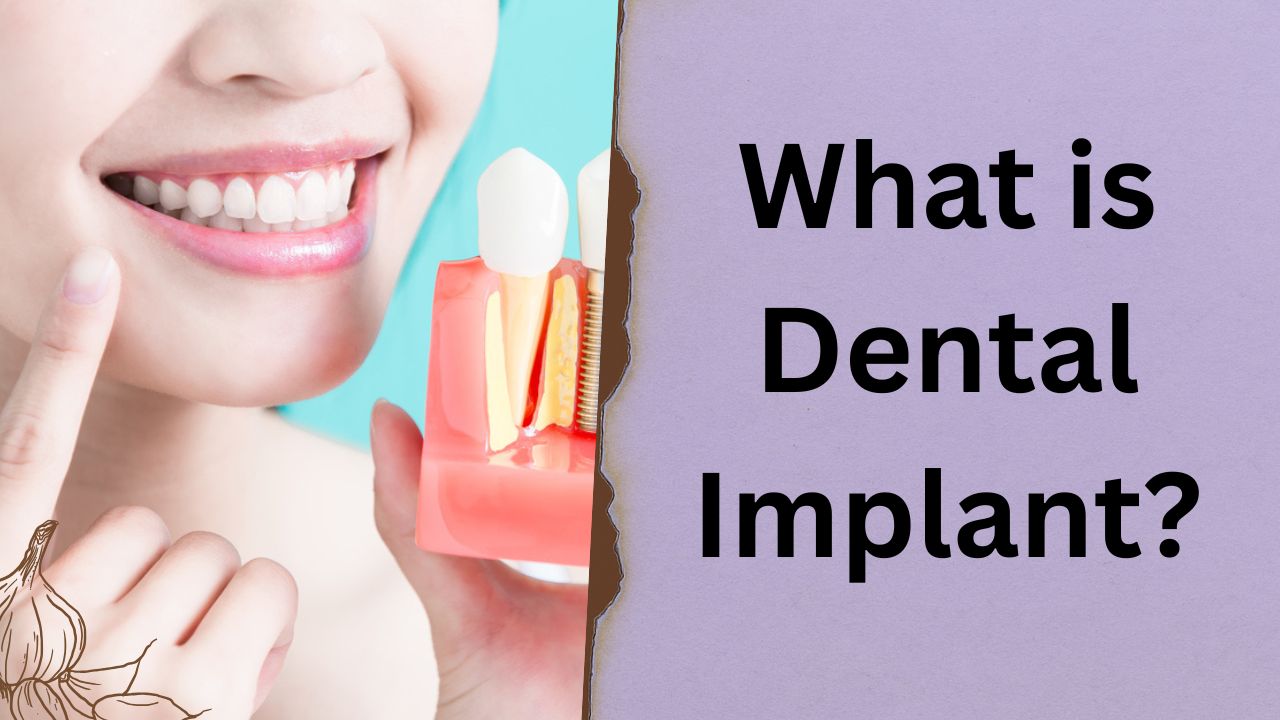
Dental health is increasingly being recognized as a crucial component of overall well-being, and among the most significant advancements in this field is the growing adoption of dental implants. In a recent discussion with Swasthya Sambad, renowned implantologist Dr. Milan Kumar shed light on how this modern solution is reshaping restorative dentistry and improving patients’ quality of life.
According to Dr. Kumar, dental implants have emerged as a reliable and long-lasting alternative to traditional dentures and bridges. Unlike conventional methods that rest on the gums or rely on adjacent teeth for support, implants are surgically placed into the jawbone, where they function much like natural tooth roots. This not only ensures greater stability but also helps preserve bone structure, preventing the deterioration that often follows tooth loss.
He emphasized that one of the key advantages of dental implants is their durability. With proper care and regular dental check-ups, implants can last for decades, making them a cost-effective solution in the long term. Patients also benefit from improved chewing ability, clearer speech, and enhanced confidence, as implants closely mimic the look and feel of natural teeth.
Dr. Kumar also addressed common misconceptions surrounding the procedure. He noted that while many people perceive implant surgery as complex or painful, advancements in technology and anesthesia have made the process relatively comfortable and predictable. Most patients are able to resume normal activities within a short period, with minimal discomfort.
Another important aspect highlighted in the discussion was the need for proper evaluation before undergoing implant treatment. Factors such as bone density, oral hygiene, and overall health play a crucial role in determining a patient’s suitability. Dr. Kumar stressed that a personalized treatment plan, guided by thorough clinical assessment, is essential for achieving successful outcomes.
He further pointed out that awareness about dental implants remains limited in many parts of the country, leading individuals to opt for less effective solutions. Increasing public education, he believes, can help more people make informed decisions about their oral health.
As dental technology continues to evolve, implants are expected to become even more accessible and efficient. Dr. Kumar concluded by encouraging individuals not to neglect missing teeth, as timely intervention can prevent a range of complications and significantly enhance quality of life.
The conversation with Swasthya Sambad highlights a growing shift in dental care, where innovation and patient-centered approaches are paving the way for more effective and lasting treatments.